Cobalt blue and cognac brown represent one of fashion’s most reliable high-contrast pairings—a combination that feels simultaneously bold and timeless. Unlike trendy color mashups that date quickly, this duo draws from decades of classic style, rooted in traditional menswear and equestrian aesthetics that have never truly gone out of fashion. The deep, saturated blue against warm amber-brown leather creates the kind of visual interest that reads as intentional and sophisticated rather than accidental or try-hard.
Understanding the Cobalt and Cognac Relationship
The magic of cobalt and cognac lies in their complementary temperature relationship. Cobalt sits firmly on the cool end of the spectrum—a pure, saturated blue with depth and intensity. Cognac, meanwhile, brings warmth through its amber and caramel undertones, creating a natural push-pull dynamic that the eye finds inherently pleasing.
The Color Theory Behind This Pairing
When you place cobalt next to cognac, you’re working with what color theorists call a modified complementary relationship. Blue and orange sit opposite each other on the color wheel, and cognac—with its burnt orange and brown undertones—activates that same complementary tension in a more sophisticated, muted way. This creates contrast without the aggressive clash you might get from pairing pure blue with bright orange.
The saturation levels also play a crucial role in why this combination works. Cobalt is a highly saturated, vivid blue that demands attention, while cognac’s earthiness grounds and softens the overall effect. This balance prevents the outfit from feeling overwhelming while still maintaining visual interest and depth.
Why This Combination Reads as Classic
Cobalt and cognac have deep roots in traditional style vocabulary. Think of vintage aviation jackets in cognac leather worn over blue wool sweaters, or classic leather-bound books with blue marbled endpapers. These associations carry cultural weight that makes the combination feel established rather than experimental.
The pairing also benefits from its connection to quality materials. Cognac leather develops a patina over time, suggesting investment pieces worn and loved. Cobalt dyes particularly well in natural fibers like wool and silk. Together, they evoke craftsmanship and intentionality—qualities that never go out of style.
The Versatility Factor
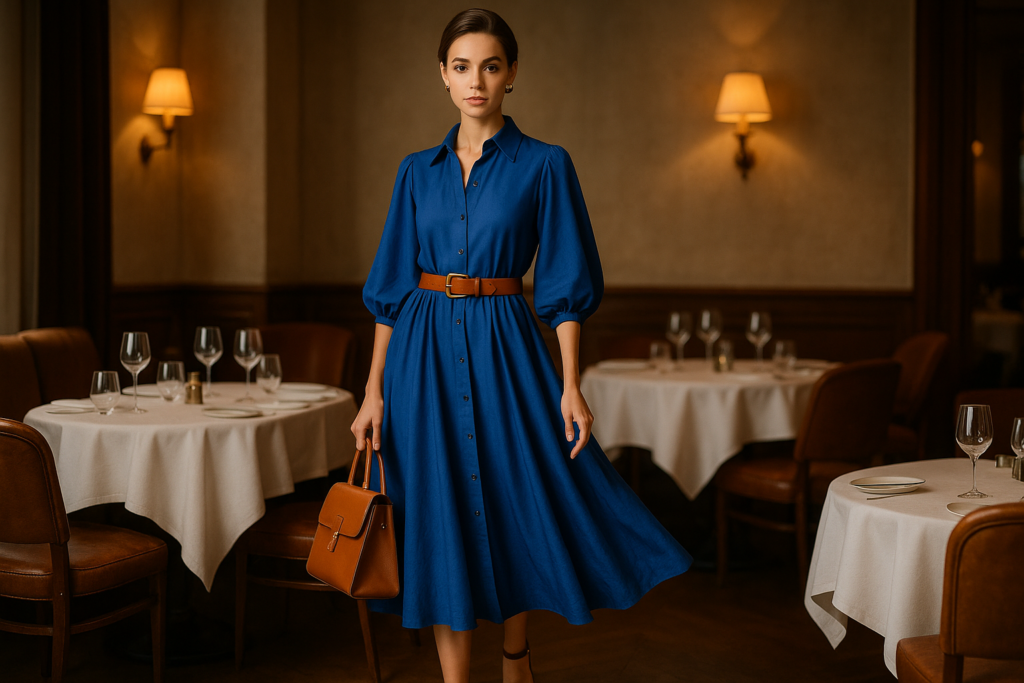
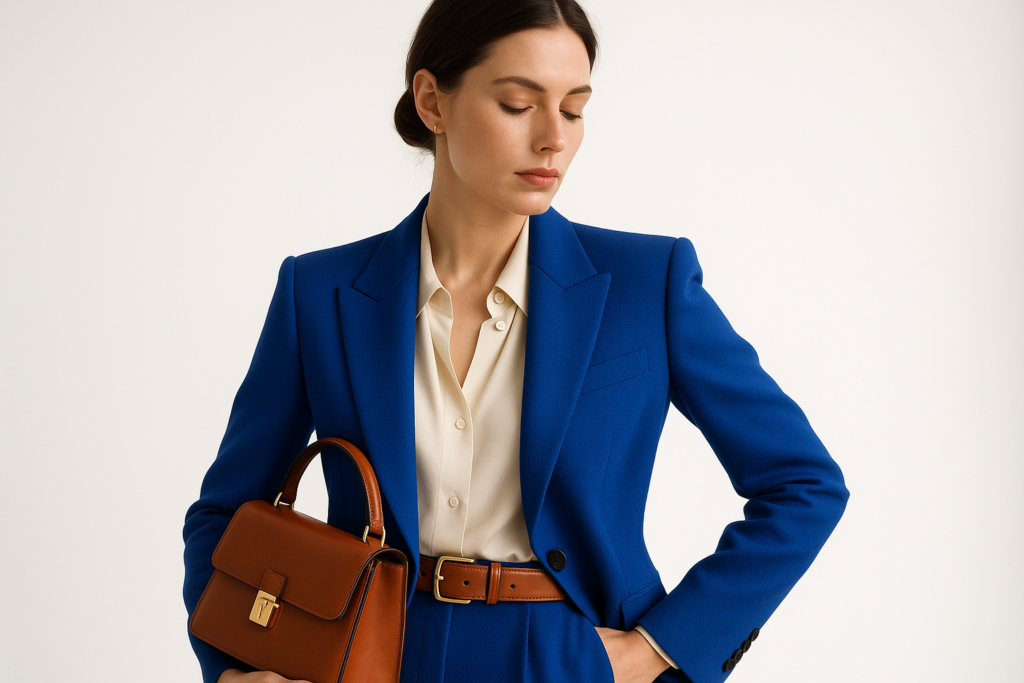
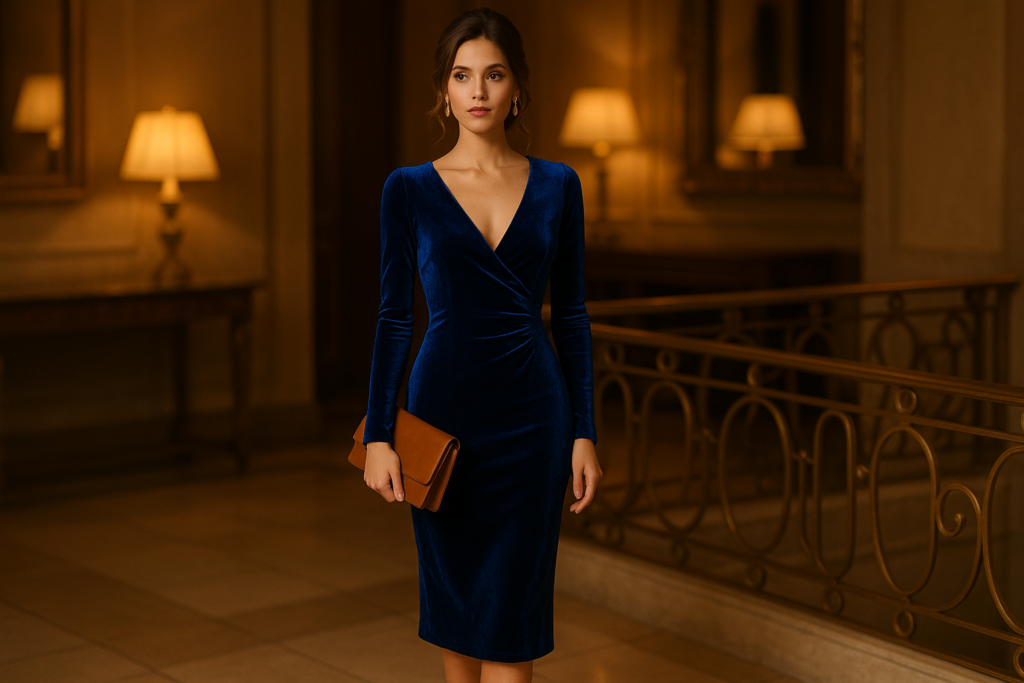
One reason this combination endures is its remarkable versatility across contexts. A cobalt blazer with cognac loafers works in creative professional settings. A cognac leather bag against a cobalt dress translates effortlessly from office to dinner. The colors scale up or down depending on how you apply them, making this pairing useful across your entire wardrobe rather than limited to specific occasions.
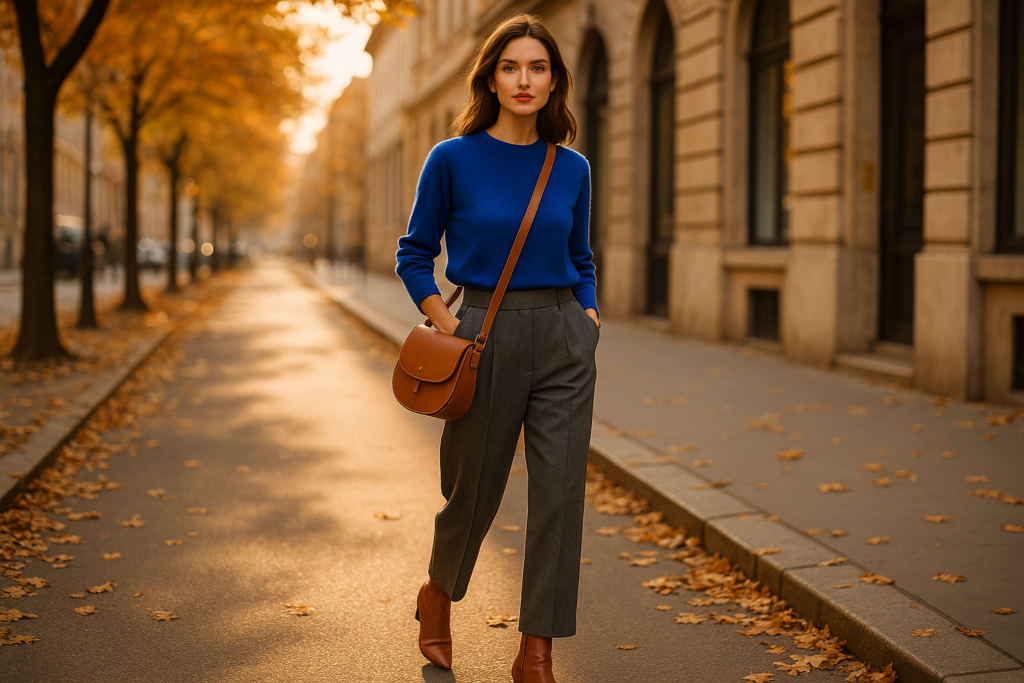
This adaptability extends to seasons as well. In fall and winter, the combination feels rich and cozy—think cobalt knitwear with cognac boots. In spring and summer, lighter cobalt shades with cognac sandals or belts read fresh without losing the sophisticated edge. Few color combinations offer this kind of year-round utility.
Building Outfits Around Cobalt and Cognac
Creating successful outfits with this pairing requires understanding proportion and context. The key is treating one color as dominant and the other as accent, rather than attempting an equal split that can feel costumey or forced.
Starting with Cognac as the Base
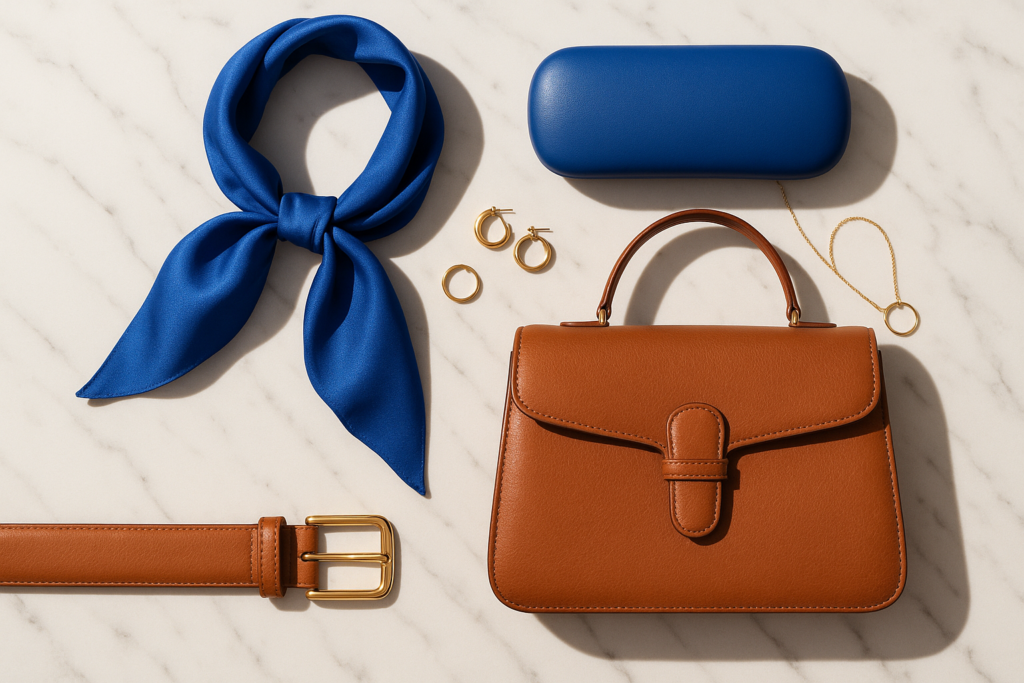
When cognac serves as your foundation, you’re typically working with leather goods or warm-toned neutrals. A cognac leather jacket becomes the anchor piece, with cobalt appearing in smaller doses—a silk scarf, a structured handbag, or even just nail polish that ties the look together.
This approach works particularly well for those who prefer understated style but want to avoid looking boring. The cognac base reads as sophisticated neutral territory, while cobalt accents inject personality without overwhelming the overall aesthetic. It’s an especially effective strategy for workwear, where you want to express individuality within professional constraints.
Leading with Cobalt
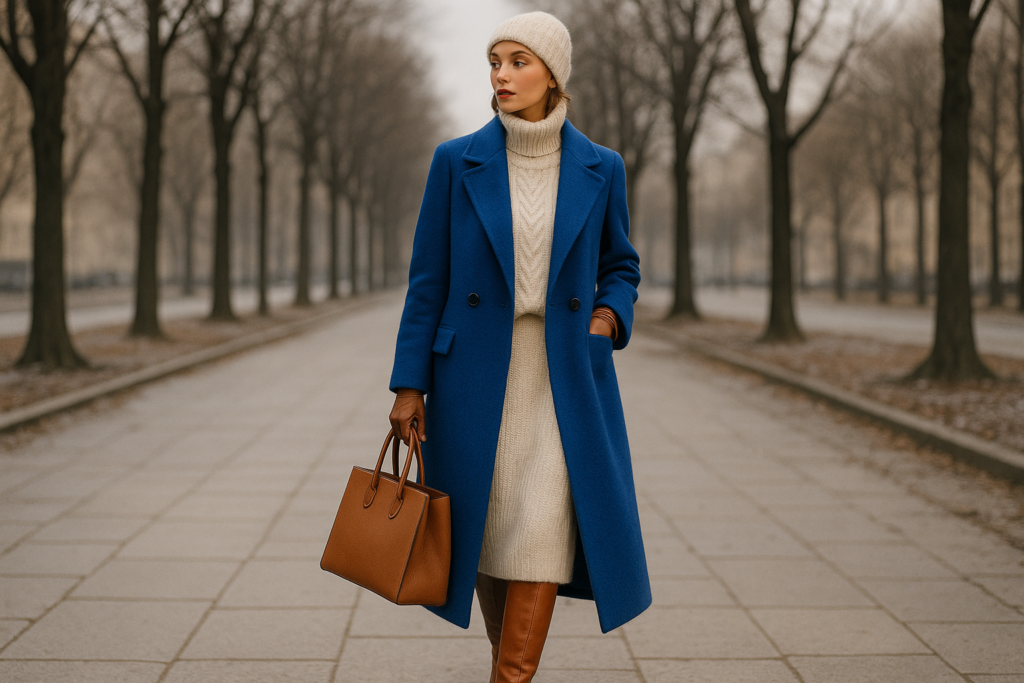
When cobalt takes center stage—perhaps in a cobalt wool coat or a vivid blue dress—cognac accessories ground the look and prevent the blue from reading as too electric or juvenile. Cognac leather belts, bags, and shoes create visual anchors that make bold blue feel intentional rather than loud.
This configuration particularly suits creative fields and social occasions where you want to be memorable. The cobalt commands attention while cognac signals that you understand balance and restraint. It’s confident without being aggressive, which is a difficult line to walk in fashion.
The 70-30 Rule in Practice
A useful guideline for this combination is the 70-30 ratio: let one color occupy roughly 70 percent of your outfit’s visual weight while the other takes up 30 percent. This creates clear hierarchy and prevents the competitive visual noise that happens when two strong colors fight for dominance.
In practice, this might mean a cobalt blouse and navy trousers (the 70 percent) paired with cognac belt, shoes, and bag (the 30 percent). Or cognac-dominant outfits in camel and tan tones accented with a cobalt statement piece. The specific percentages matter less than the principle of intentional imbalance.
Essential Pieces for This Color Story
Building a wardrobe around cobalt and cognac starts with investing in versatile pieces that work across multiple outfit combinations. These foundational items offer the most styling flexibility.
Quality cognac leather goods form the backbone of this pairing. A well-made cognac leather tote bag coordinates with everything from workwear to weekend outfits, bringing warmth to any cobalt piece in your closet. Similarly, cognac leather loafers or ankle boots serve as neutral-adjacent footwear that specifically enhances blue tones in ways that black or brown cannot.
- A structured cognac leather handbag in a classic silhouette
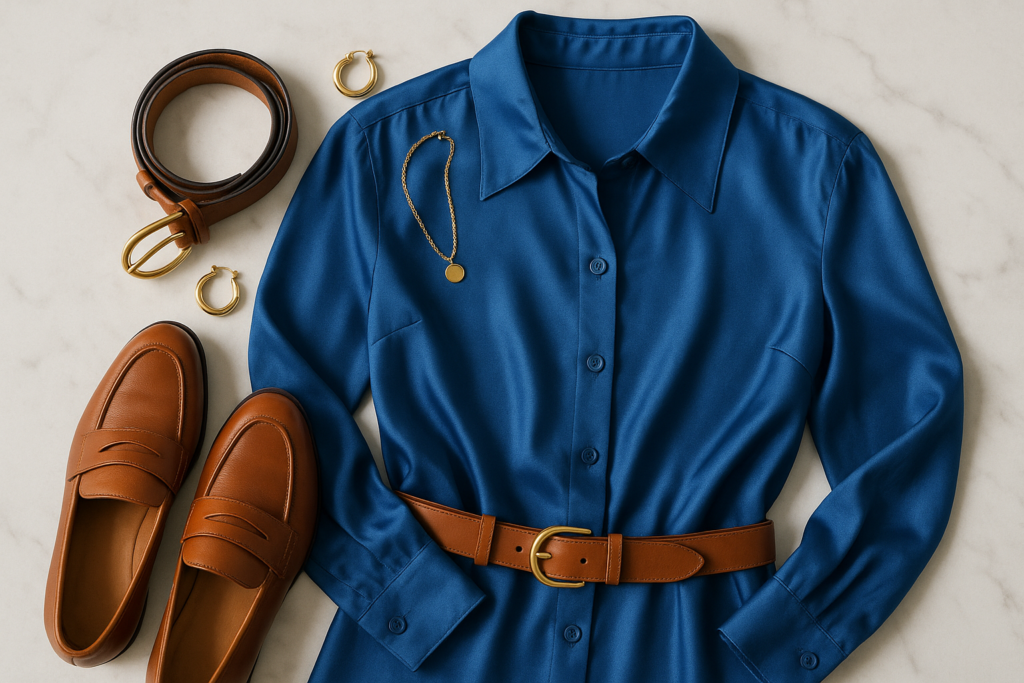
- Cognac leather belt in both casual and dress widths
- Cobalt blue wool blazer or structured jacket
- Cobalt silk blouse or button-down shirt
- Cognac leather loafers or oxford shoes
- Cobalt cashmere sweater in crew or V-neck
- Cognac leather ankle boots with low heel
- Cobalt blue dress in a versatile cut
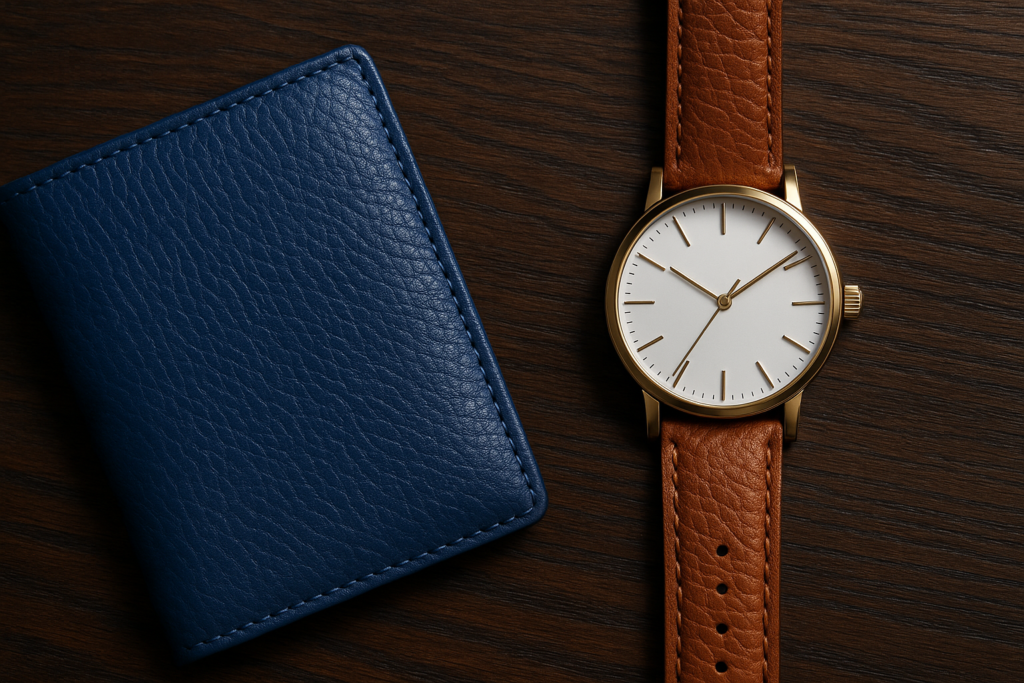
- Cognac leather card holder or small accessories
- Cobalt wool coat for cooler weather
- Cognac suede accessories for texture variety
- Cobalt blue scarf in silk or lightweight wool
- Cognac leather watch strap to integrate the color into daily wear
- Cobalt enamel or stone jewelry pieces
- Cognac gloves in leather or suede for winter
Professional Styling with Cobalt and Cognac
In workplace settings, this combination offers a way to stand out while maintaining polished professionalism. The colors read as serious and established, avoiding the pitfalls of either boring navy-and-black repetition or inappropriate trend-chasing.
Corporate environments that lean conservative can integrate this pairing through accessories alone. A classic gray or navy suit gains personality through a cobalt pocket square and cognac leather shoes. The colors signal attention to detail without disrupting the expected professional uniform.
Creative and business-casual workplaces allow more freedom. Here, a cobalt blazer over neutral basics with cognac accessories creates a signature look that’s memorable without being distracting. The combination suggests you understand both style and restraint—valuable qualities in any professional context.
For presentations and client-facing situations, this pairing photographs well and reads clearly on video calls. The high contrast ensures you don’t fade into backgrounds while the classic nature of both colors avoids any impression of trying too hard. This is particularly valuable in an era of constant video meetings where your upper body becomes your entire visual presentation.
The key to professional cobalt and cognac is quality over quantity. One excellent cognac leather bag communicates more than multiple budget pieces in both colors. Invest in the items you’ll use daily and let them anchor simpler outfits rather than attempting complex combinations that might miss the mark.
Interview settings deserve special consideration. A cobalt blouse with neutral suit and cognac accessories strikes the balance between personality and professionalism that makes candidates memorable for the right reasons. The combination suggests confidence and intentionality without overshadowing your qualifications.
Client meetings and networking events benefit from this pairing’s conversation-starting potential. Unusual color combinations give others something to compliment, opening doors for connection. Cobalt and cognac are unexpected enough to notice but classic enough to admire, hitting the sweet spot for professional social settings.
For those building capsule work wardrobes, this combination offers exceptional mix-and-match potential. Both colors coordinate with standard professional neutrals—gray, navy, white, cream—multiplying outfit possibilities without requiring extensive closet space.
Seasonal Adaptations of This Pairing
The cobalt and cognac combination shifts beautifully across seasons, requiring only minor adjustments in shade intensity and material weight to feel appropriate year-round.
Transitioning Through Spring
Spring calls for lighter interpretations of this pairing. Shift from deep cobalt toward periwinkle or cornflower blue tones while keeping cognac in lighter honey shades. The combination maintains its essential character while feeling fresh and season-appropriate.
Linen and cotton replace wool and leather in warmer weather. A cobalt linen blazer with cognac leather sandals captures the color story without the weight. Spring’s brighter light also allows bolder interpretations—the increased daylight flatters saturated colors that might feel heavy in winter’s gray.
Summer Interpretations
High summer pushes this pairing toward its most casual expressions. Cobalt cotton dresses work beautifully with cognac woven leather accessories. The colors feel Mediterranean and resort-appropriate without requiring any trend-specific pieces.
In extremely hot weather, let cognac leather accessories do the heavy lifting while keeping cobalt to smaller areas—a cobalt silk scarf or blue-framed sunglasses paired with a cognac bag and sandals. This prevents overheating while maintaining the color relationship.
Fall and Winter Richness
Cooler weather is where this combination truly shines. Deep cobalt wool against rich cognac leather captures autumn’s essential mood—warm, sophisticated, and slightly nostalgic. Layer cognac leather jackets over cobalt knitwear, or reverse with a cobalt coat over cognac-toned neutrals beneath.
Winter allows the most saturated versions of both colors. True cobalt blue in heavy wool or velvet paired with polished cognac leather creates the rich, intentional looks that make cold weather dressing worthwhile. Add texture through cognac suede boots or cobalt cable-knit sweaters to prevent flat, one-note outfits.
Accessory Strategies for Maximum Impact
Accessories offer the lowest-risk way to experiment with cobalt and cognac, allowing you to test the combination before committing to larger wardrobe investments.
The most versatile accessory approach uses cognac leather as a neutral base across multiple items. A cognac leather watch strap, belt, and bag create a cohesive foundation that enhances any cobalt garment you introduce. This collection of cognac pieces then works with your entire wardrobe beyond just blue items, maximizing cost-per-wear.
- Cognac leather watch straps work with both dress and casual timepieces
- A structured cognac tote elevates casual cobalt pieces
- Cognac leather gloves add refinement to winter cobalt outerwear
- Blue enamel jewelry introduces cobalt without requiring garments
- Cognac suede pumps offer texture variety within the color story
- Cobalt silk scarves add color to cognac-heavy neutral outfits
- Cognac briefcases and laptop bags bring warmth to professional cobalt looks
- Blue-framed sunglasses introduce cobalt in summer when leather feels heavy
- Cognac braided belts work with both cobalt denim and dress pants
- Cobalt stone jewelry—lapis, sapphire—adds subtle color near the face
- Cognac leather passport holders and travel accessories extend the palette into journeys
- A cobalt umbrella adds unexpected color to rainy-day cognac boots
- Cognac leather phone cases integrate the color into daily life
- Cobalt pocket squares for suits with cognac shoes
- Hair accessories in both colors for women who want subtle integration
Fabric and Texture Considerations
The interplay between fabric and color dramatically affects how cobalt and cognac read together. Understanding these relationships helps create outfits with depth and sophistication.
Leather and Its Alternatives
Cognac leather is the most traditional expression of this color in fashion, and for good reason. The material’s natural variation—from lighter golden tones to deeper amber shades—creates visual interest within a single piece. Quality leather also develops patina over time, adding character that synthetic alternatives cannot replicate.
For those avoiding leather, cognac-toned suede offers similar warmth with different textural properties. Vegan leather alternatives in cognac shades have improved dramatically, though they typically lack the color depth of genuine leather. Cork and woven materials in cognac tones provide additional options with distinct personalities.
Wool and Knit Options
Cobalt wool is perhaps the most classic expression of this blue—think of traditional Guernsey sweaters or vintage letterman jackets. The fiber’s slight fuzz softens the color’s intensity while maintaining depth, creating a more approachable blue than synthetic alternatives.
Cashmere in cobalt offers luxury without ostentation. The material’s drape and softness balance the color’s boldness, making cobalt cashmere sweaters appropriate for contexts where loud color might otherwise feel inappropriate. This is an investment piece that earns its cost through versatility.
Silk and Lightweight Fabrics
Cobalt silk has a unique luminosity that changes with movement and light. This makes it particularly effective for evening wear or special occasions where you want visual interest without heaviness. A cobalt silk blouse tucked into cognac leather-belted trousers captures both colors at their most refined.
For warm weather, cobalt linen relaxes the combination considerably. The fabric’s natural texture and casual drape shift the pairing toward Mediterranean ease, making it appropriate for vacation contexts where wool and leather would feel out of place.
Common Mistakes and How to Avoid Them
Even reliable color combinations can go wrong with poor execution. Understanding common pitfalls helps you implement cobalt and cognac successfully.
Equal Color Distribution
The most frequent mistake is attempting to split the colors evenly. A cobalt top with cognac pants (or vice versa) creates a disjointed, color-blocked effect that lacks sophistication. Instead, let one color dominate while the other accents, creating clear visual hierarchy.
Fix this by adding neutral bridges between the two colors. Gray, cream, navy, or white separating cobalt from cognac allows each color to breathe while maintaining the overall color story. This is especially important when working with larger color areas.
Material Mismatch
Pairing cheap synthetic cobalt with quality cognac leather—or vice versa—creates obvious quality disconnect. The colors highlight each other, which means they also highlight quality disparities. Ensure your cobalt and cognac pieces exist at similar quality levels to avoid undermining your outfit.
This matters most with leather goods, where quality differences are immediately visible. A beautiful cobalt cashmere sweater looks worse, not better, when paired with low-quality cognac pleather accessories. Either invest in quality cognac leather or work with non-leather alternatives that don’t invite direct comparison.
Ignoring Undertones
Not all cobalt blues and cognac browns are created equal. Cooler cobalt shades with gray undertones clash with warm, orange-toned cognac, while warmer cobalt blues harmonize beautifully. Similarly, cognac that skews too red or too yellow may conflict with certain cobalt shades.
Test pieces together in natural light before committing to combinations. What looks harmonious under store lighting may reveal undertone conflicts in daylight. When in doubt, opt for true cobalt (no gray undertones) and mid-tone cognac (neither too light nor too dark).
Cobalt and Cognac Across Personal Style Categories
This combination adapts to virtually any personal style aesthetic, requiring only minor interpretation adjustments to feel authentic to individual wardrobes.
Classic and Traditional Style
For those with classic taste, this pairing feels immediately natural. It draws from the same wells as other traditional combinations—navy and tan, blue blazers with brown leather shoes—but with heightened color intensity. A cobalt wool blazer, white oxford shirt, gray flannel trousers, and cognac leather loafers updates classic style without abandoning its principles.
The key is maintaining traditional proportions and silhouettes while allowing the colors to do the work. Avoid anything too fitted, too loose, or too trendy in cut. The colors themselves provide sufficient interest; the shapes should remain timeless.
Minimalist Interpretation
Minimalists might hesitate at a “color combination” in general, but cobalt and cognac translate beautifully into pared-back wardrobes. The trick is using one color as your sole point of contrast against an otherwise neutral palette.
A wardrobe of gray, white, and black gains personality through exclusively cognac leather accessories and one or two cobalt pieces. The limited palette ensures the colors always coordinate, creating effortless outfits without the decision fatigue that more colorful wardrobes require.
Creative and Eclectic Style
Maximalist and eclectic dressers can push this combination further than traditionalists. Layer cobalt and cognac with other colors, mix them with patterns, or use them as foundation for more adventurous outfits. The combination’s stability allows it to anchor more experimental styling without the whole outfit falling apart.
Pattern mixing works particularly well here. A cobalt-and-white striped shirt under a cognac leather jacket creates textural and chromatic interest. Or try cobalt florals with cognac boots for a bohemian interpretation. The color combination provides structure that allows other elements to play freely.
Building a Capsule Wardrobe with This Palette
Creating a focused wardrobe around cobalt and cognac maximizes outfit combinations while minimizing closet clutter. Here’s how to approach it strategically.
Start with neutral foundations. Gray, white, cream, and navy pieces form the backbone of this capsule, providing quiet backdrops against which cobalt and cognac can work. These neutrals ensure you’re never forced into unwearable color combinations and allow you to dial up or down the cobalt-cognac intensity as occasions demand.
Add cobalt statement pieces strategically. A cobalt blazer, coat, or dress provides maximum impact for the investment. These pieces justify their closet space by transforming otherwise simple neutral outfits into memorable looks. Limit yourself to three or four cobalt garments to maintain focus.
Invest heavily in cognac leather. Quality leather goods in cognac justify higher prices through longevity and versatility. A cognac leather tote, belt, shoes, and small accessories create a cohesive foundation that works with everything in your wardrobe—not just the cobalt pieces.
Fill gaps with blue-adjacent and brown-adjacent neutrals. Navy, denim, tan, and camel extend the color story without requiring exact matches. These colors bridge cobalt and cognac smoothly, creating cohesive outfits even when you’re not wearing the exact hero colors.
Consider care and maintenance from the start. Cobalt dyes can vary in colorfastness, so quality matters. Cognac leather requires conditioning to maintain color depth. Building a capsule around these colors means committing to the maintenance they require.
Limit trendy additions. The power of this combination is its timelessness. Adding trend-driven pieces in cobalt or cognac dilutes the capsule’s longevity. Instead, let the colors themselves feel current while maintaining classic shapes and silhouettes that won’t date.
The Psychological Impact of This Color Combination
Color psychology adds another dimension to understanding why cobalt and cognac work together and how they affect both wearer and observer.
Blue consistently ranks among the most-liked colors across cultures and demographics. Cobalt specifically—a deep, saturated blue—conveys confidence, stability, and trustworthiness without the stuffiness of navy. Wearing cobalt signals you’re serious but not boring, reliable but not predictable.
Brown tones like cognac add warmth and approachability to this foundation. Where blue can read as cool or distant, cognac’s warmth softens the overall impression. This balance creates an aesthetic that’s professional without being cold, friendly without being frivolous.
The combination together suggests someone who understands nuance. You’re not reaching for obvious choices (black, navy, gray) but you’re also not chasing trends. This reads as confident self-knowledge—the kind of person who knows what works for them and commits to it.
Studies on color and first impressions suggest that unexpected-but-harmonious combinations create more positive impressions than either safe neutrals or clashing experiments. Cobalt and cognac hit this sweet spot precisely, offering enough distinction to be memorable while remaining obviously intentional.
Quick Reference Guide
| Aspect | Cobalt | Cognac |
|---|---|---|
| Temperature | Cool | Warm |
| Best Fabrics | Wool, silk, cashmere, cotton | Leather, suede, wool |
| Season Strength | Year-round; peaks fall/winter | Year-round; peaks fall/winter |
| Professional Use | Excellent for creative fields | Universal neutral-adjacent |
| Care Needs | Check colorfastness | Regular conditioning |
| Investment Priority | 2-3 quality garments | Multiple leather accessories |
| Styling Role | Usually dominant | Usually accent |
| Pairs With | Cognac, gray, white, cream, navy | Cobalt, navy, cream, olive, burgundy |
Conclusion
Cobalt and cognac represent the rare color combination that delivers both visual impact and timeless sophistication. The pairing works because it taps into fundamental color relationships—warm against cool, earthy against pure—while carrying associations with quality, tradition, and intentional style. Unlike trend-driven combinations that feel dated within seasons, cobalt and cognac draw from deep wells of classic fashion vocabulary that ensure lasting relevance.
Building a wardrobe around this combination rewards strategic investment. Quality cognac leather accessories work with far more than just cobalt blue, while well-made cobalt pieces in natural fibers elevate entire outfits. The colors require each other less than they enhance each other, making this a flexible framework rather than a rigid prescription. Whether you incorporate these colors through a single cognac belt and cobalt scarf or build an entire capsule wardrobe around the pairing, the result is style that feels considered, confident, and genuinely classic.
Frequently Asked Questions
What skin tones look best in cobalt and cognac?
This combination works across a wide range of skin tones because it balances cool and warm elements. Those with warm undertones typically find the cognac particularly flattering, while cool-toned complexions often glow against cobalt blue. The key is adjusting which color sits closer to your face—place your more flattering shade in tops and accessories near your face while using the other color in lower-half garments and distant accessories.
Can I wear cobalt and cognac to a formal event?
Absolutely. A cobalt evening dress with cognac heels and clutch creates sophisticated formal wear that stands out from typical black-tie monotony. For men, a navy or charcoal suit with a cobalt tie and cognac leather shoes achieves similar effect. The combination photographs beautifully, which is particularly valuable at formal events where pictures are expected.
How do I incorporate this combination if I usually wear all black?
Start with cognac leather accessories—a belt, bag, or shoes—alongside your black pieces. Once comfortable, add a single cobalt item like a scarf or sweater. The combination of black, cobalt, and cognac is striking and provides a gradual transition away from monochrome dressing without abandoning your aesthetic entirely.
What colors should I avoid mixing with cobalt and cognac?
Bright orange competes with cognac’s subtler warmth, while purple can create muddy visual tension with cobalt. Cool grays work better than warm taupes when adding neutrals. Avoid neon or electric blues that make cobalt look dull by comparison. Generally, stick to classic neutrals (white, cream, gray, navy) when supplementing this combination.
Is this combination appropriate for summer?
Yes, with adjustments. Shift toward lighter cobalt shades like cornflower blue and lighter cognac approaching honey. Choose breathable fabrics—linen, cotton, lightweight leather sandals—rather than heavy wool and structured leather. The color story translates perfectly to warm weather when you adapt the materials.
How do I make this combination work for casual weekend wear?
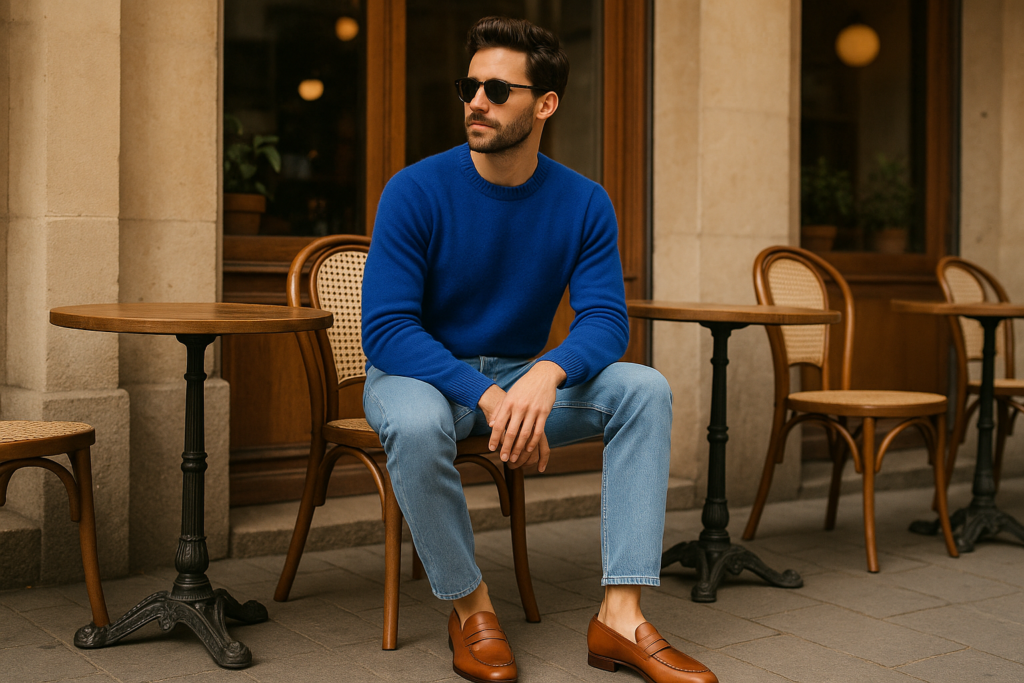
Cobalt denim or a cobalt cotton t-shirt paired with cognac leather sneakers or sandals creates effortless casual style. A cognac leather crossbody bag adds the color combination to any casual outfit. The key is relaxed silhouettes and casual materials—save structured wool and polished leather for work contexts.
What patterns work with cobalt and cognac?
Stripes incorporating cobalt against white or cream work beautifully with cognac accessories. Blue-and-white or blue-and-tan patterns like gingham, windowpane, and plaid integrate naturally. Avoid patterns that introduce competing colors; the best patterns for this combination use cobalt with neutrals rather than adding third or fourth colors.
Should my cognac pieces all match exactly?
No—and attempting exact matches often looks forced. Cognac leather naturally varies in shade, and mixing lighter and darker cognac tones adds depth to outfits. The key is keeping all your cognac pieces within the same color family (warm, amber-toned browns) rather than mixing cognac with cooler chocolate browns or burgundy-tinged oxblood.

Brenda Tillman is a color maestro who brings artistic brilliance to every piece she crafts. Passionate about imaginative expressions, she illuminates the world of fashion with her expert guidance on shades and combinations. Beyond her writings, Brenda is a culinary enthusiast and a global traveler, infusing her work with diverse insights. Her unique touch transforms simple color choices into art.
Reviewed By: Joanna Perez and Anna West
Edited By: Lenny Terra
Fact Checked By: Matthew Mansour
Photos Taken or Curated By: Matthew Mansour
