Key Takeaways
- Oxblood is a sophisticated dark red that works as a neutral-adjacent color in modern wardrobes
- Dove gray provides the perfect cool counterbalance to oxblood’s warm, rich undertones
- This color combination works across all seasons but shines particularly in fall and winter
- The pairing creates a polished look suitable for both professional and casual settings
- Texture plays a crucial role in making this combination feel modern rather than dated
- Accessories in either color can tie an entire outfit together seamlessly
- The ratio of oxblood to dove gray can dramatically change the mood of your outfit
- Both colors photograph beautifully, making this pairing ideal for special occasions
Dark reds have long occupied a special place in fashion, but few shades manage to feel both timeless and thoroughly contemporary. Oxblood—that deep, wine-adjacent red with subtle brown undertones—strikes exactly this balance. When paired with dove gray, a soft neutral that reads neither warm nor cold, you get a combination that feels instantly sophisticated without trying too hard. This pairing works because it respects the intensity of oxblood while giving it room to breathe, creating outfits that look intentional and refined across virtually any context.
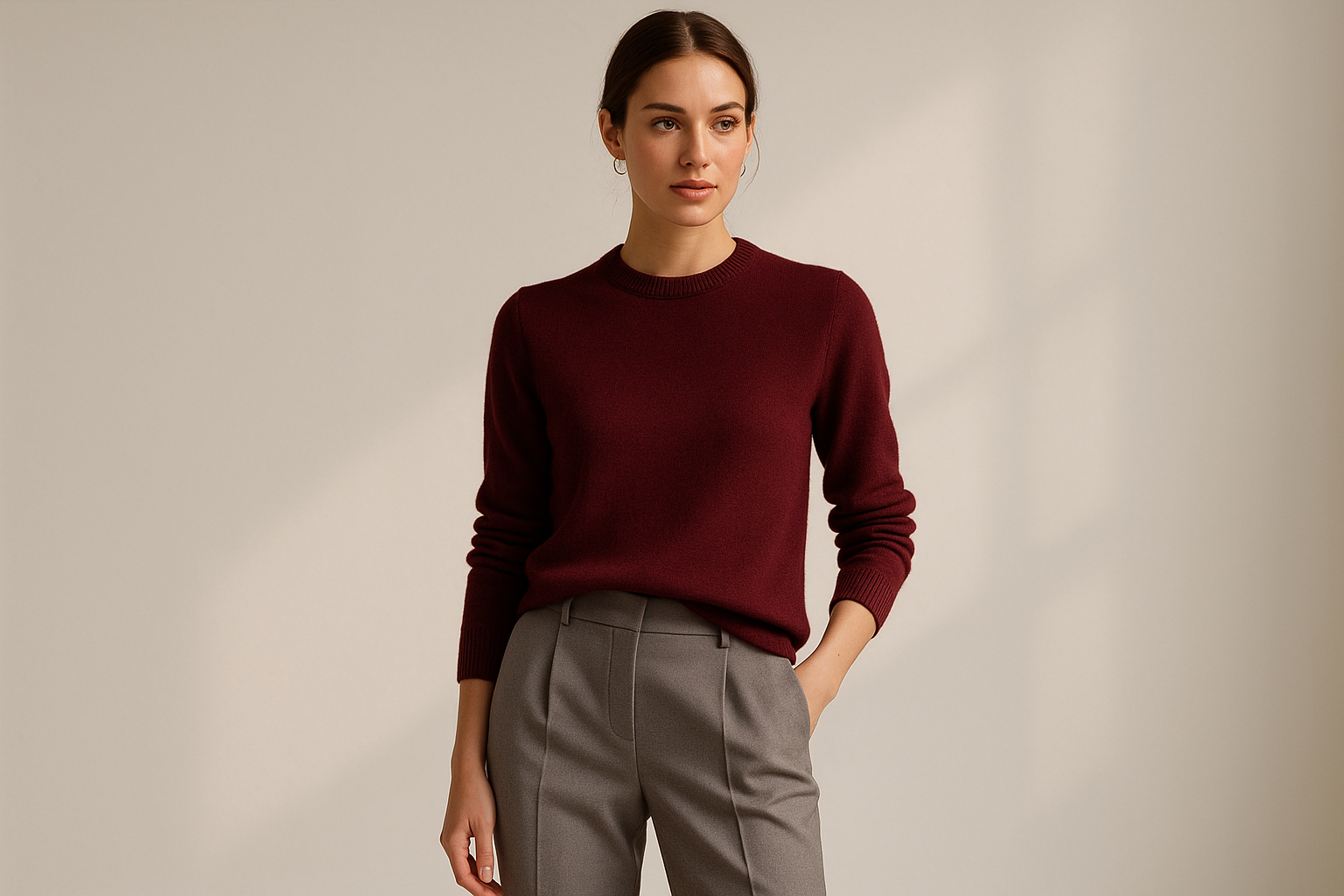
Understanding Oxblood as a Modern Fashion Color
Oxblood sits in that rare category of colors that feel simultaneously bold and subdued. Unlike bright reds that demand attention or burgundies that can veer toward dated territory, oxblood carries enough brown in its undertones to function almost like a warm neutral. This makes it remarkably versatile—it can anchor an outfit the way navy or charcoal might, while still providing that hit of color that elevates the overall look.
The Color Profile of True Oxblood
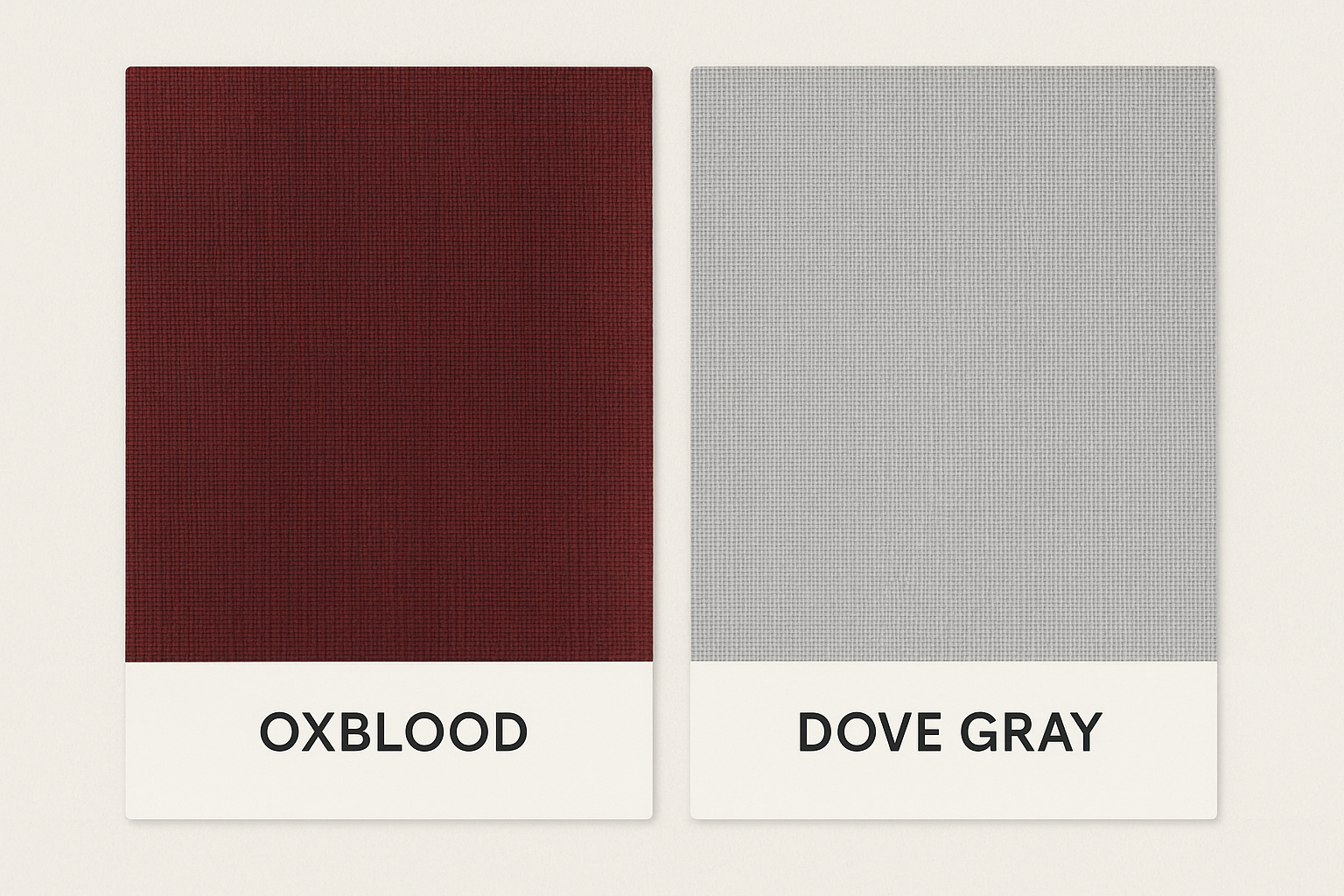
True oxblood differs from its close relatives in subtle but important ways. While burgundy leans purple and wine tends toward blue undertones, oxblood maintains a distinctly earthy quality. This brown-based foundation means it pairs naturally with other earth tones while still reading as a “red” to the eye. The depth of the color—neither too bright nor too muted—gives it staying power in a wardrobe.
When shopping for oxblood pieces, look for consistency in the depth of color. The best oxblood garments maintain their richness without appearing muddy or washed out. Natural light is your best friend when evaluating this color, as artificial lighting can make oxblood appear either too brown or too purple depending on the light temperature.
Why Oxblood Works Across Skin Tones
One of oxblood’s greatest strengths is its near-universal flattery across different skin tones. The color’s balanced undertones mean it doesn’t clash with warm or cool complexions the way purer reds sometimes can. On deeper skin tones, oxblood creates a stunning contrast that feels regal and commanding. On lighter complexions, it provides warmth without overwhelming.
The key lies in oxblood’s middle-ground nature. It’s warm enough to bring life to the face but not so warm that it creates an unflattering cast. Those with olive undertones often find oxblood particularly harmonious, though virtually anyone can wear this shade with confidence when styled appropriately.
Historical Context and Modern Revival
Oxblood’s name comes from its resemblance to dried blood—specifically the dark red used historically in leather dyeing. This heritage connects the color to craftsmanship and durability, associations that persist today. Vintage leather goods in oxblood remain highly collectible precisely because the color ages beautifully.
The modern revival of oxblood in fashion began in earnest during the early 2010s, when designers sought alternatives to the ubiquitous black and navy of minimalist wardrobes. Today, oxblood appears in everything from luxury leather goods to affordable basics, cementing its place as a core wardrobe color rather than a fleeting trend.
The Appeal of Dove Gray as a Neutral
Dove gray occupies a sweet spot in the neutral spectrum that makes it extraordinarily useful in color pairing. Softer than charcoal but more substantial than silver, dove gray provides visual weight without heaviness. Its name references the gentle gray of a dove’s feathers—neither stark nor dark, but pleasantly in-between.
Temperature Balance in Dove Gray
What makes dove gray particularly effective with oxblood is its temperature neutrality. Unlike warm grays that might compete with oxblood’s warmth or cool grays that could create harsh contrast, dove gray sits in comfortable equilibrium. This balance allows oxblood to shine as the dominant color while dove gray supports without distracting.
When selecting dove gray pieces to pair with oxblood, pay attention to the specific undertones in different lighting conditions. The ideal dove gray will shift slightly depending on its surroundings—appearing warmer next to cream, cooler next to pure white—but never pulling strongly in either direction.
Dove Gray Versus Other Gray Shades
Charcoal gray, while elegant, can create too much contrast with oxblood, making outfits feel heavy or overly formal. Silver gray runs the opposite risk, potentially reading as too casual or insubstantial. Dove gray threads the needle perfectly, providing enough presence to anchor an outfit while maintaining the lightness that keeps the overall look fresh.
Greige—the gray-beige hybrid—comes closest to dove gray in usefulness but introduces warmth that can muddy the clean contrast with oxblood. For the most sophisticated results, stick to true dove gray that reads as purely neutral rather than warm-leaning alternatives.
Fabric Considerations for Dove Gray
Fabric choice significantly impacts how dove gray reads in an outfit. Matte fabrics like wool flannel or cotton twill give dove gray a grounded, sophisticated quality. Slightly sheened fabrics like silk or satin add dimension and interest. Heavily textured fabrics like boucle or chunky knits can make dove gray feel cozier and more casual.
Consider the occasion and season when selecting fabric weights. Lightweight dove gray linen works beautifully in summer, while medium-weight wool flannel suits the cooler months. The color itself remains seasonless; only the fabric needs to shift with the temperature.
Practical Styling Approaches
The beauty of the oxblood and dove gray combination lies in its flexibility. Whether you prefer oxblood as the dominant color or as an accent, this pairing adapts to your styling preferences while maintaining its inherent sophistication. The following approaches have proven particularly effective across different body types and personal style preferences.
Starting with the basics allows you to build confidence with this combination before venturing into more complex styling territory. A simple formula—one piece in each color plus neutralizing white or cream—provides a reliable foundation that works for most occasions.
- Oxblood blouse with dove gray trousers for professional settings
- Dove gray sweater layered over oxblood button-down for smart casual
- Oxblood accessories with a dove gray dress for understated elegance
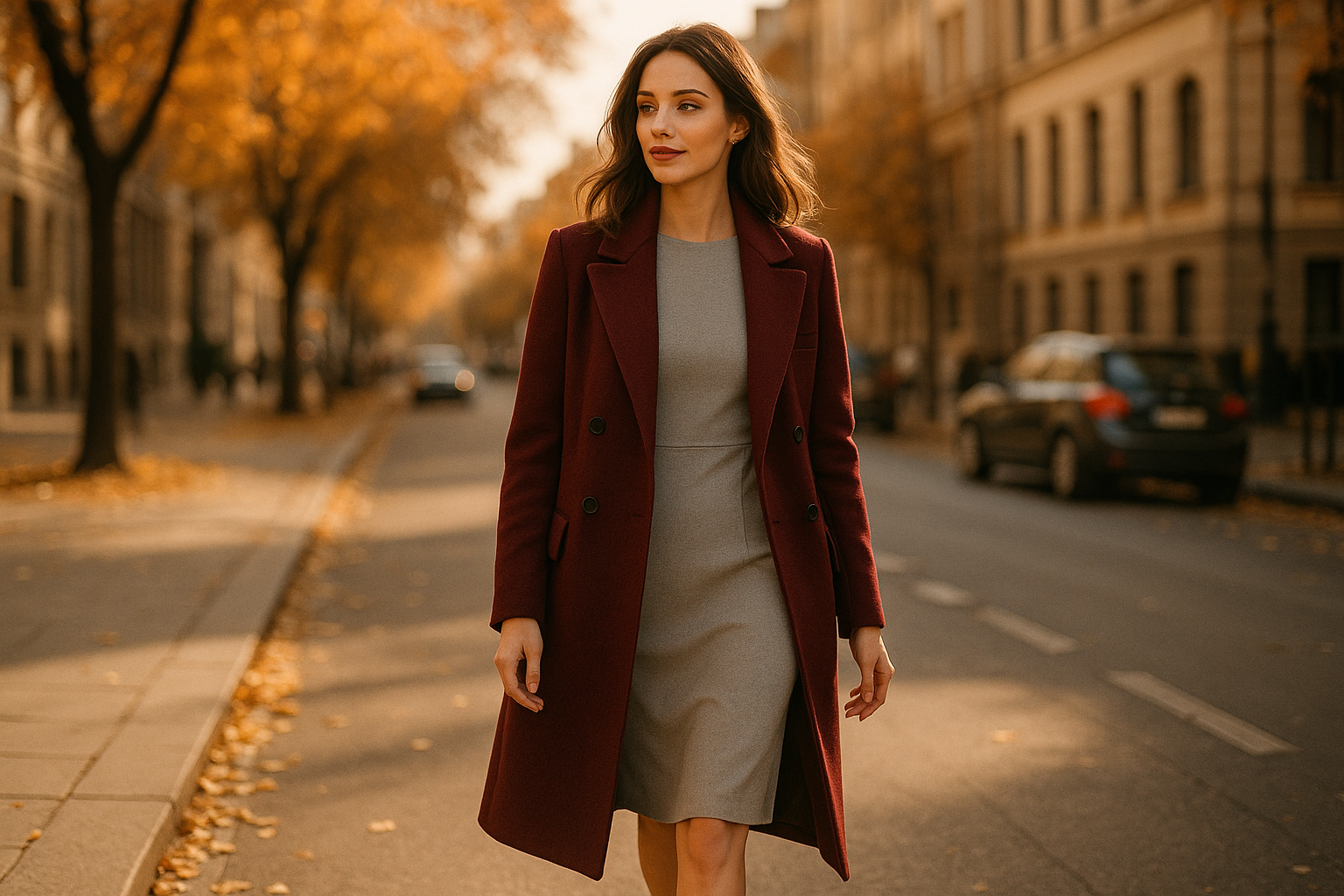
- Dove gray coat over an oxblood ensemble for winter layering
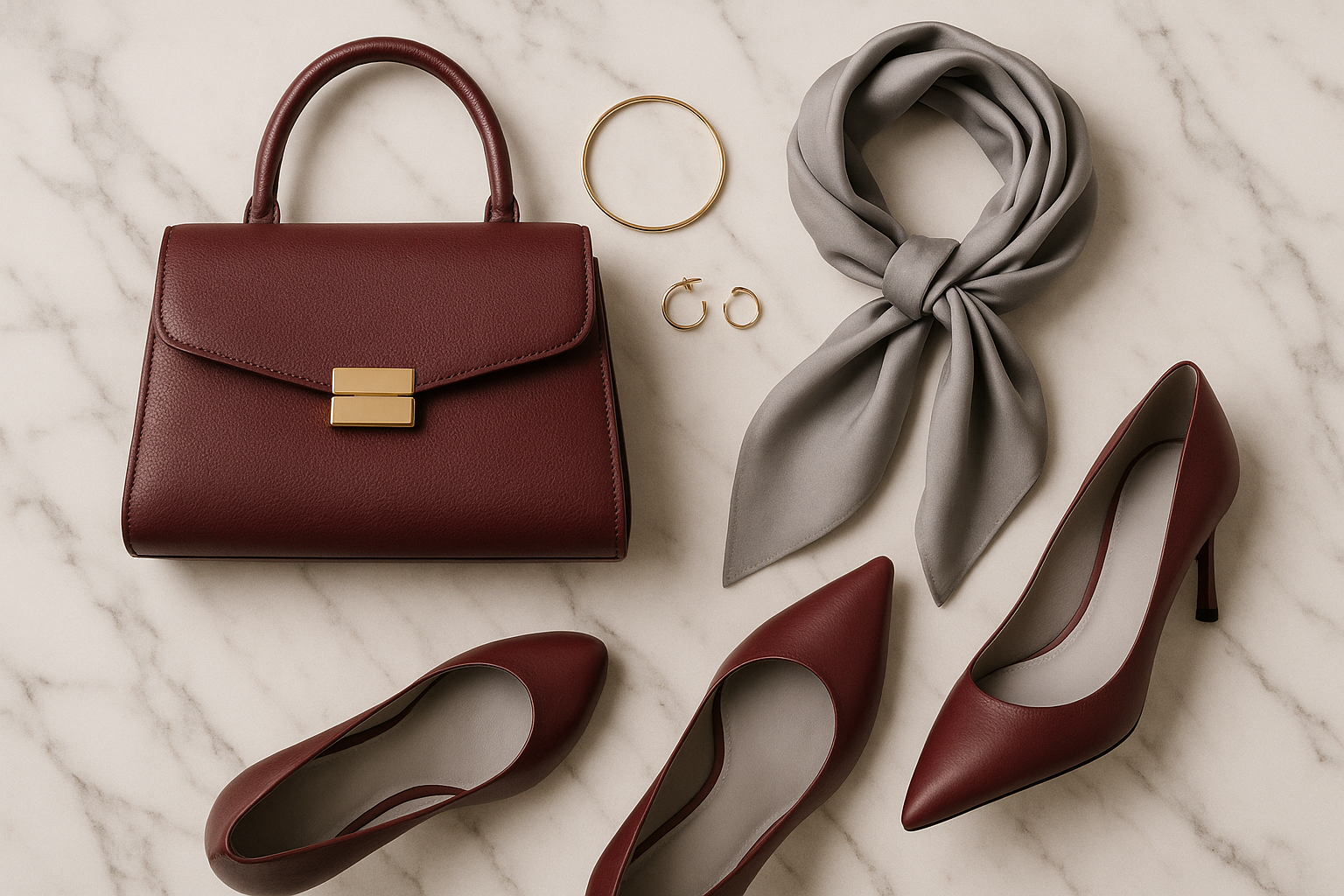
- Oxblood bag as the color pop in an otherwise dove gray outfit
- Dove gray scarf softening an oxblood blazer or jacket
- Oxblood shoes grounding dove gray separates
- Dove gray cardigan bridging oxblood and denim pieces
- Oxblood belt adding definition to dove gray jumpsuit or dress
- Dove gray tights extending oxblood skirts into cooler weather
- Oxblood headband or hair accessories for subtle color introduction
- Dove gray blazer making oxblood pieces office-appropriate
- Oxblood lipstick echoing clothing choices for cohesive look
- Dove gray jewelry providing metallic-free accessorizing option
- Oxblood nail polish as finishing touch for dove gray outfits
Building Complete Outfits
Moving beyond individual pieces to complete outfits requires understanding how oxblood and dove gray interact across different proportions. The 60-30-10 rule—where 60% of your outfit is one color, 30% is another, and 10% is accent—works exceptionally well with this pairing. Either color can take the dominant position depending on your preference and the occasion.
For maximum sophistication, keep the color story simple. Introducing too many additional colors dilutes the impact of the oxblood-dove gray combination. When third colors are necessary, stick to true neutrals like white, cream, or black rather than introducing competing chromatic elements.
Texture becomes your friend when working with a limited color palette. Mixing textures—smooth leather against soft knit, crisp cotton against fluid silk—adds visual interest without complicating the color scheme. The interplay of matte and slight sheen surfaces creates depth that keeps two-color outfits from feeling flat.
Consider the visual weight distribution in your outfit. Oxblood, being the darker and more saturated color, naturally draws the eye. Placing oxblood strategically—at the waist with a belt, near the face with a blouse, or at the feet with shoes—directs attention according to your preferences.
The silhouette of your outfit matters as much as the colors. Clean lines and well-fitted pieces enhance the sophistication of this pairing, while overly relaxed or baggy silhouettes can make the combination feel less intentional. This doesn’t mean everything must be skin-tight; rather, aim for deliberate proportions that feel modern.
Seasonal adaptation keeps this combination feeling fresh throughout the year. Summer iterations might feature lighter-weight fabrics and more exposed skin, while winter versions layer up with heavier knits and additional coverage. The color pairing remains consistent; only the execution shifts with the weather.
Finally, don’t underestimate the power of repetition. Wearing a color combination multiple times in different configurations builds personal style recognition. When oxblood and dove gray become part of your signature palette, every new piece you acquire in these colors extends your existing wardrobe’s versatility.
Investment pieces in both colors pay dividends over time. A quality oxblood leather bag or dove gray cashmere sweater will serve as wardrobe anchors for years, making the cost-per-wear calculation extremely favorable.
Workwear Applications
The professional environment presents unique opportunities for the oxblood and dove gray combination. This pairing reads as polished and put-together without veering into flashy territory, making it appropriate for most workplace dress codes from business formal to smart casual.
Traditional Office Settings
In conservative office environments, dove gray takes the lead while oxblood serves as a sophisticated accent. A dove gray suit with an oxblood silk blouse underneath creates visual interest while maintaining professional standards. The key is keeping oxblood in smaller doses—a pocket square, a belt, or a bag—rather than making it the dominant color.
For those building a professional wardrobe from scratch, investing in dove gray suiting provides maximum versatility. These pieces pair beautifully with oxblood but also work with virtually every other color in a work wardrobe, from navy to cream to jewel tones.
Creative Industry Variations
Creative fields often permit more adventurous interpretations of professional dress. Here, oxblood can take a more prominent role—an oxblood blazer over dove gray trousers, or oxblood tailored pants with a dove gray silk top. The combination signals creativity and confidence while remaining clearly professional.
Pattern mixing becomes more accessible in creative environments. A dove gray plaid paired with solid oxblood, or vice versa, adds personality while maintaining the sophisticated foundation of the color combination. Stick to one patterned piece at a time for the most polished results.
Transitioning from Work to Evening
One significant advantage of the oxblood-dove gray pairing is its adaptability from day to night. A work outfit in these colors needs minimal adjustment to transition to after-work events. Swapping a structured blazer for a more relaxed cardigan, or adding statement jewelry, often suffices.
Keep a few evening-appropriate accessories at your desk for quick transitions. An oxblood clutch, dove gray statement earrings, or a silk scarf in either color can shift your look’s mood without requiring a complete outfit change.
Seasonal Adaptations
While oxblood and dove gray shine in autumn and winter, this combination need not hibernate during warmer months. Thoughtful fabric selection and styling adjustments make this pairing year-round viable. The colors themselves remain constant; only their context shifts with the seasons.
Summer presents the greatest challenge, as both colors read as naturally cool-weather appropriate. The solution lies in fabric choices—linen, cotton voile, and chambray keep the combination from feeling oppressively warm. Shorter hemlines and sleeveless silhouettes also help translate these colors into summer-appropriate outfits.
- Spring: Lightweight dove gray blazer with oxblood cotton blouse
- Summer: Linen dove gray shorts with oxblood sandals
- Fall: Oxblood cashmere sweater over dove gray wool trousers
- Winter: Dove gray wool coat with oxblood leather gloves and scarf
- Spring transitional: Oxblood trench coat over dove gray midi dress
- Summer evening: Dove gray silk camisole with oxblood tailored shorts
- Fall layering: Dove gray turtleneck under oxblood leather jacket
- Winter formal: Oxblood velvet dress with dove gray faux fur wrap
- Resort: Oxblood linen tunic over dove gray wide-leg pants
- Holiday: Dove gray cashmere with oxblood suede boots
- Spring wedding: Oxblood midi dress with dove gray heels
- Summer office: Dove gray cotton dress with oxblood leather belt
Accessory Strategies
Accessories offer the most accessible entry point into the oxblood-dove gray combination. For those hesitant to commit to full garments in either color, starting with accessories allows experimentation without significant investment. A well-chosen bag, shoe, or scarf in oxblood or dove gray can transform neutral outfits while building familiarity with the colors.
Bags and Leather Goods
Oxblood leather enjoys particular popularity in bags and accessories, and for good reason. The color ages beautifully on quality leather, developing a rich patina over time that only enhances its appeal. A classic structured bag in oxblood leather becomes a wardrobe anchor, elevating everything from jeans to evening wear.
Dove gray leather, while less common, offers sophisticated alternative to black or tan. Gray leather maintains a modern feel that black sometimes lacks while providing the same versatility. Consider dove gray for items like gloves, wallets, or smaller crossbody bags.
Footwear Considerations
Shoes in either color can anchor an outfit effectively. Oxblood boots—whether ankle, knee-high, or somewhere between—provide a sophisticated alternative to black and brown options. They pair beautifully with navy, cream, and of course, dove gray garments. The warmth of oxblood prevents shoes from creating too stark a contrast at the ankle.
Dove gray shoes maintain a light, modern feel while still providing visual grounding. Gray suede in particular reads as effortlessly elegant. Consider dove gray for warm-weather footwear like mules or sandals, where the lighter neutral keeps things feeling appropriately seasonal.
Scarves and Wraps
Scarves offer perhaps the simplest way to introduce either color into your wardrobe. A silk scarf in oxblood elevates gray or navy basics instantly. A cashmere wrap in dove gray softens darker outfits while providing warmth. The proximity to the face makes scarf color choices particularly impactful.
For maximum versatility, seek scarves that incorporate both colors. A paisley or abstract pattern featuring oxblood and dove gray creates a bridge between garments in either shade, making outfit coordination nearly effortless.
Pattern Integration
While solid colors form the foundation of the oxblood-dove gray combination, patterns can add dimension and interest. The key lies in maintaining color consistency—patterns that incorporate oxblood, dove gray, or both keep the overall color story cohesive while adding visual texture. Random pattern introduction dilutes the intentional nature of the pairing.
Classic patterns like houndstooth, plaid, and stripes translate beautifully into this color palette. A dove gray and oxblood houndstooth blazer becomes an instant statement piece. Subtle oxblood pinstripes on dove gray suiting add interest without overwhelming. The pattern serves the colors rather than competing with them.
- Houndstooth in dove gray and oxblood for classic statement pieces
- Subtle pinstripes adding texture to solid garments
- Plaid featuring both colors as pattern base
- Paisley prints incorporating both shades for bohemian touches
- Geometric patterns maintaining color consistency
- Floral prints with oxblood blooms on dove gray ground
- Abstract art prints featuring the color combination
- Herringbone textures adding depth to solid pieces
- Windowpane checks in contrasting color on solid base
- Animal prints in muted oxblood-adjacent tones
- Ombre effects transitioning between the two colors
- Micro-patterns adding subtle texture without overwhelming
Occasion-Specific Styling
Different occasions call for different interpretations of the oxblood-dove gray pairing. Understanding how to modulate the combination for various events ensures you can draw on these colors across your social calendar. The foundation remains consistent; the execution adapts to context.
Casual Weekend Looks
Weekend styling allows for more relaxed interpretations of this sophisticated pairing. Dove gray joggers with an oxblood hoodie creates elevated athleisure. Oxblood loafers with dove gray chinos strikes the smart-casual balance perfectly. The colors maintain their inherent sophistication even in casual silhouettes.
Denim provides an excellent bridge in casual contexts. Medium-wash jeans pair naturally with both oxblood and dove gray tops, allowing you to incorporate either color without committing to both in one outfit. This approach works well for those building familiarity with the combination.
Date Night Options
Romantic occasions benefit from the richness of oxblood and the softness of dove gray. A dove gray silk dress with oxblood heels creates understated elegance. An oxblood velvet top with tailored dove gray trousers balances luxury with restraint. The combination photographs beautifully in dimly lit restaurant settings.
For maximum impact on date nights, let oxblood take the dominant role. The color’s inherent warmth creates an inviting presence, while dove gray provides sophisticated support. Subtle makeup choices that echo the oxblood shade tie the entire look together.
Formal Event Approaches
Black-tie and formal events open possibilities for luxe interpretations of the oxblood-dove gray combination. An oxblood gown makes a memorable impression without the predictability of black. Dove gray suiting in premium fabrics reads as appropriately formal while standing apart from the standard navy blazer crowd.
Accessories become particularly important at formal events. Silver jewelry complements both colors beautifully, while gold adds warmth that echoes oxblood’s undertones. Avoid competing metallic elements; commit to one metal tone for the most polished result.
Texture and Fabric Combinations
When working with a restrained color palette, texture variation becomes essential for creating visual interest. The interplay between different fabric surfaces keeps oxblood-dove gray outfits from feeling flat or monotonous. Thoughtful texture mixing elevates the combination from simple color coordination to intentional styling.
Leather and Suede
Oxblood leather offers rich visual weight and ages beautifully over time. The material’s natural sheen creates an focal point against matte dove gray fabrics. Suede provides a softer alternative while maintaining leather’s structural qualities. Either material in either color adds dimension to two-tone outfits.
Consider leather and suede for structured pieces—jackets, bags, boots, belts—where the material’s body can shine. These pieces often become wardrobe anchors, serving as the foundation for countless outfit variations over years of wear.
Knits and Wovens
The contrast between knit and woven textures adds subtle dynamism to the color combination. A chunky dove gray knit sweater against crisp oxblood cotton trousers creates tactile interest. Smooth woven dove gray suiting with a cable-knit oxblood sweater underneath layers textures effectively.
Different knit weights serve different seasons and occasions. Lightweight knits in either color work for transitional seasons, while heavier cable or boucle knits suit deep winter. The consistent color story allows seasonal weight rotation without wardrobe disruption.
Silk and Satin
Sheened fabrics like silk and satin elevate both colors for formal occasions. Dove gray silk catches light beautifully, reading as simultaneously simple and luxurious. Oxblood satin—particularly in blouse or dress form—creates evening-appropriate drama without overwhelming.
These fabrics work best in modest doses within the oxblood-dove gray combination. A silk blouse paired with matte wool trousers, or a satin camisole under a structured jacket, provides shine without excess. Full head-to-toe sheen can overwhelm the sophisticated restraint this pairing offers.
Shopping and Building a Collection
Building a wardrobe around the oxblood-dove gray combination requires strategic shopping that prioritizes versatility and quality. Not every piece needs to be in these exact colors; rather, a core collection of well-chosen items provides the foundation for countless outfit combinations. Thoughtful acquisition ensures each new piece extends your existing wardrobe’s reach.
Essential Starting Pieces
Begin with basics in both colors: a dove gray cashmere sweater, oxblood leather bag, dove gray tailored trousers, and oxblood silk blouse create a versatile foundation. These pieces mix with each other and with existing wardrobe items, providing immediate styling options while you build out the collection.
Quality matters more than quantity with these foundation pieces. A well-made dove gray blazer will serve you for years, while a cheaply constructed version fades and pills quickly. Invest where you can, particularly in pieces that see frequent wear.
Budget-Friendly Expansion
Not every piece requires significant investment. Accessories like scarves, belts, and jewelry offer affordable entry points into both colors. Trendy or seasonal pieces—a particular cut of trouser or a specific sleeve style—can come from more budget-friendly sources since their lifespan in your wardrobe may be shorter.
Thrift and consignment shopping yields excellent finds in both colors. Oxblood leather goods and dove gray cashmere appear regularly in resale markets, often at fraction of original retail prices. The colors’ timelessness means vintage finds integrate seamlessly with contemporary pieces.
Quality Indicators to Watch
When evaluating potential purchases, pay attention to color consistency across different lighting conditions. True oxblood should maintain its character whether in natural light or under artificial illumination. Dove gray should neither pull strongly warm nor cool as lighting changes.
Construction quality signals longevity. Check seams, buttons, and finishing details. Examine how zippers function and how buttons align. These small details indicate overall garment quality and predict how pieces will hold up over time.
Styling for Different Body Types
The oxblood-dove gray combination flatters all body types when styled with attention to proportion and placement. Understanding how darker and lighter colors interact with your specific figure allows strategic use of each shade. Neither color is inherently slimming or enlarging; context determines their visual effect.
Oxblood’s visual weight draws the eye, making it effective for creating focal points. Place oxblood where you want attention—a beautiful neckline, elegant waist, or strong shoulders. Conversely, use dove gray to allow areas to recede visually without disappearing entirely.
The distribution of colors within an outfit affects perceived proportions. A dove gray top with oxblood trousers balances upper and lower body visually. An oxblood jacket with dove gray everything else creates a vertical line that elongates. Experiment to discover what distributions work best for your body.
Monochromatic approaches in either color create the longest line and can be very flattering. Head-to-toe dove gray provides an elegant canvas for oxblood accessories. Full oxblood creates drama and presence. Both approaches eliminate the potential for color blocking that doesn’t serve your figure.
Prints featuring both colors can camouflage areas you prefer to minimize while maintaining the sophisticated color story. A houndstooth or plaid that incorporates both shades creates visual movement that distracts from specific features while still looking polished and intentional.
Finally, consider how accessories alter the balance of colors in an outfit. Adding an oxblood bag shifts visual weight downward. A dove gray scarf draws the eye upward toward the face. These subtle adjustments allow fine-tuning of color distribution within any outfit.
Summary Table
| Aspect | Oxblood | Dove Gray |
|---|---|---|
| Color Family | Dark red with brown undertones | Neutral mid-tone gray |
| Visual Weight | Medium to heavy | Light to medium |
| Temperature | Warm | Neutral |
| Best Seasons | Fall and Winter primarily | Year-round versatility |
| Formality Range | Casual to formal | Casual to formal |
| Skin Tone Compatibility | Universal with adjustments | Universal |
| Investment Priority | Leather goods, quality knitwear | Suiting, basics |
| Texture Recommendations | Leather, velvet, cashmere | Wool, silk, cotton |
Conclusion
The oxblood and dove gray combination represents sophisticated color pairing at its most accessible. These two shades balance each other perfectly—oxblood providing warmth and visual interest while dove gray supplies calm neutrality. Together they create outfits that feel intentional and polished without appearing overthought or try-hard. The versatility of this pairing across seasons, occasions, and personal styles makes it a worthy addition to any wardrobe.
Building a collection around these colors need not happen overnight. Start with a few key pieces—perhaps an oxblood bag and dove gray trousers—and expand as opportunities arise. Over time, you’ll develop an intuitive sense for how these colors work together, opening possibilities for increasingly creative interpretations of this classic combination. The investment pays dividends in the form of a more cohesive, versatile wardrobe that simplifies daily dressing while ensuring you always look put-together.
Frequently Asked Questions
Can I wear oxblood and dove gray in summer?
Absolutely. The key lies in fabric selection. Choose lightweight materials like linen, cotton voile, or chambray rather than the heavier wools and knits associated with cooler months. Shorter hemlines, sleeveless tops, and open-weave fabrics keep the combination feeling appropriately seasonal while maintaining its sophisticated character.
What metals work best with this color combination?
Both silver and gold complement oxblood and dove gray, though they create different effects. Silver emphasizes the cool neutrality of dove gray and provides modern contrast against oxblood’s warmth. Gold picks up oxblood’s warm undertones and adds richness to the overall palette. Choose based on your preference, but stick to one metal tone per outfit for the most polished result.
Is this combination too dark for pale skin?
Not at all. Dove gray’s lightness prevents the combination from overwhelming fair complexions. The key for pale skin is ensuring some dove gray appears near the face—a scarf, top, or jacket—to create flattering contrast. Oxblood’s warmth can actually bring welcome color to fair skin when positioned appropriately.
How do I prevent this pairing from looking dated?
Focus on contemporary silhouettes and modern fabric choices. The colors themselves are timeless, but styling determines whether an outfit reads as current or vintage. Clean lines, well-fitted pieces, and subtle texture mixing keep the combination feeling fresh. Avoid overtly retro styling unless that’s your intentional aesthetic.
Can men wear oxblood and dove gray together?
This combination works excellently for men. An oxblood tie with a dove gray suit creates sophisticated contrast. Oxblood loafers with gray trousers elevate casual outfits. The pairing offers men an alternative to the ubiquitous navy-and-gray combination while remaining entirely appropriate for professional and social settings.
What other colors can I add to this combination?
Stick to true neutrals for the most sophisticated results. White and cream lighten the palette appropriately. Black adds drama when used sparingly. Navy can work as an additional neutral, though it introduces another color that requires balancing. Avoid adding bright or competing chromatic colors that would dilute the intentional nature of the oxblood-dove gray story.
How do I find the right shade of dove gray?
True dove gray reads as purely neutral—neither warm nor cool. Test potential purchases in natural light to ensure they don’t pull strongly in either temperature direction. The ideal dove gray will appear to shift slightly depending on its surroundings while never reading as definitively warm or cool. Avoid grays that veer toward green, purple, or brown undertones.
Is oxblood appropriate for weddings?
Oxblood makes an excellent wedding guest color, particularly for fall and winter celebrations. It’s distinctive without being attention-seeking and photographs beautifully. The shade is far enough from white or cream to never risk upstaging the bride while still feeling celebratory and special. Pair with dove gray accessories for a cohesive look that works across various wedding dress codes.

Neha Z. is not just any writer; she’s a storyteller who has graced the online world with her evocative prose for over half a decade. Venturing into the intricate nuances of women’s lives, she weaves stories that range from life’s highs and lows to the multifaceted essence of femininity. Each piece she pens radiates sincerity and artistry. As you delve into Neha’s musings, you’ll find reflections that echo your own journey and insights that inspire. Immerse yourself in her world, and let her stories touch your heart.
Reviewed By: Joanna Perez and Anna West
Edited By: Lenny Terra
Fact Checked By: Matthew Mansour
Photos Taken or Curated By: Matthew Mansour
