Key Takeaways
- The scale rule is the foundational principle that prevents patterns from clashing by varying the size of prints in your outfit
- Pairing small-scale patterns with large-scale patterns creates visual interest without overwhelming the eye
- Similar colors across different pattern scales help unify an outfit while maintaining variety
- One dominant pattern should anchor your look while others play supporting roles
- Medium-scale patterns are the most versatile and can bridge small and large prints effectively
- Solid colors act as visual breaks between patterns, preventing sensory overload
- Understanding pattern density is just as important as scale when mixing prints
- The 60-30-10 proportion rule applies to pattern mixing for balanced, polished results
Pattern mixing is one of those styling skills that separates confident dressers from everyone else, yet many people avoid it entirely out of fear of looking chaotic or mismatched. The truth is that mixing patterns successfully comes down to understanding one deceptively simple concept: the scale rule. When you vary the size of your patterns intentionally, you create outfits that feel curated rather than confused, sophisticated rather than scattered. This guide breaks down exactly how the scale rule works and gives you practical frameworks for applying it to your own wardrobe, whether you’re combining stripes with florals, checks with dots, or any other pattern combination that catches your eye.
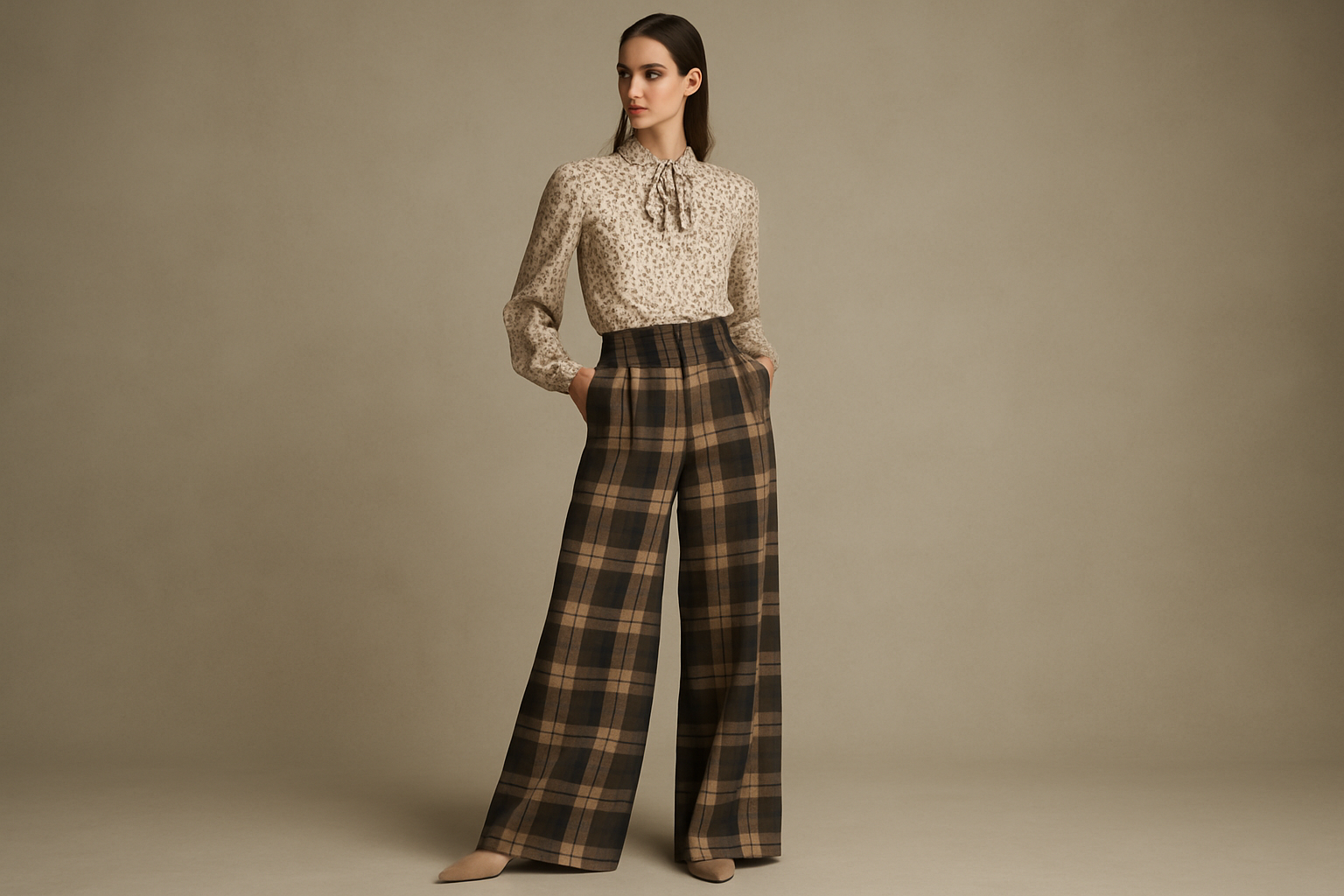
Understanding Pattern Scale Basics
Pattern scale refers to the size of the repeating elements within a print, and grasping this concept is the first step toward mastering pattern mixing. A small-scale pattern features tiny, closely spaced motifs that can sometimes read as a textured solid from a distance, while a large-scale pattern has bold, widely spaced elements that make an immediate visual statement.
What Defines Small-Scale Patterns
Small-scale patterns include microdots, pinstripes, tiny florals, and subtle geometric prints where the repeating element is generally smaller than a coin. These patterns tend to recede visually and work well as grounding pieces in an outfit because they don’t compete aggressively for attention. Think of them as the “quiet” patterns that add interest without shouting.
The beauty of small-scale patterns lies in their versatility and their ability to function almost like solids while still contributing texture and depth. A pinstriped shirt can pair with practically any larger pattern because it reads as relatively neutral, making it an excellent starting point for pattern mixing beginners who want to ease into the technique.
What Defines Large-Scale Patterns
Large-scale patterns feature bold, prominent motifs that immediately draw the eye and typically measure several inches across. Think oversized florals, wide stripes, chunky plaids, and dramatic geometric prints. These patterns demand attention and naturally become the focal point of any outfit.
When you wear a large-scale pattern, you’re making a statement, which is why these pieces benefit from being balanced with smaller-scale companions rather than competing large prints. The key is treating your largest pattern as the star of the show and letting everything else play a supporting role that enhances rather than fights for dominance.
The Medium-Scale Sweet Spot
Medium-scale patterns occupy the valuable middle ground between subtle and statement, featuring motifs that are clearly visible but not overwhelming. Standard-width stripes, moderate plaids, and mid-sized florals all fall into this category, and they’re arguably the most versatile patterns for mixing.
These medium-scale prints can pair upward with small patterns or downward with large ones, making them incredibly useful bridge pieces in a pattern-mixed outfit. If you’re building a wardrobe that supports pattern mixing, investing in quality medium-scale pieces gives you maximum styling flexibility.
Why Scale Variation Prevents Clashing
The human eye naturally seeks visual hierarchy and becomes confused when presented with competing elements of equal weight. When two patterns of identical scale appear together, they fight for attention and create that unsettling “clash” sensation that makes an outfit feel wrong even if you can’t articulate why.
The Science of Visual Hierarchy
Our brains process visual information by identifying a focal point and then categorizing supporting elements in relation to it. When pattern scales vary, your eye easily establishes this hierarchy: the largest pattern becomes the dominant element, and smaller patterns recede into supporting roles that enhance rather than compete.
This principle explains why pairing a bold, wide-stripe blazer with a micro-check shirt feels polished while wearing two medium-stripe pieces together often looks confused. The scale variation gives your brain clear instructions about what to focus on first, creating a sense of visual calm even within an objectively busy outfit.
Creating Intentional Contrast
Scale variation creates what designers call “intentional contrast,” which signals to observers that your pattern combination is deliberate rather than accidental. When scales differ dramatically enough, the outfit reads as styled rather than mismatched, even if the patterns themselves are quite different.
This intentionality is crucial because our perception of clashing is often more about reading something as a mistake than about objective incompatibility. A tiny polka dot next to an oversized paisley clearly communicates choice, while two similar-sized prints leave observers wondering if you dressed in the dark.
Balancing Visual Weight
Visual weight refers to how much attention a design element commands, and patterns with similar scales have similar visual weights that can create an unbalanced feel. By varying scale, you distribute visual weight more evenly across your outfit, preventing any single area from feeling overwhelmingly busy or strangely empty.
Think of it like composing a photograph: you wouldn’t put two subjects of equal prominence in the exact same plane without purpose. Scale variation in pattern mixing serves the same compositional function, creating depth and interest through thoughtful hierarchy.
Common Pattern Combinations That Work
Understanding scale theory is essential, but seeing it applied to real pattern combinations makes the concept tangible and actionable. Certain pattern pairings have proven track records because they naturally embody the scale rule, and starting with these classic combinations builds confidence before you begin experimenting more freely.
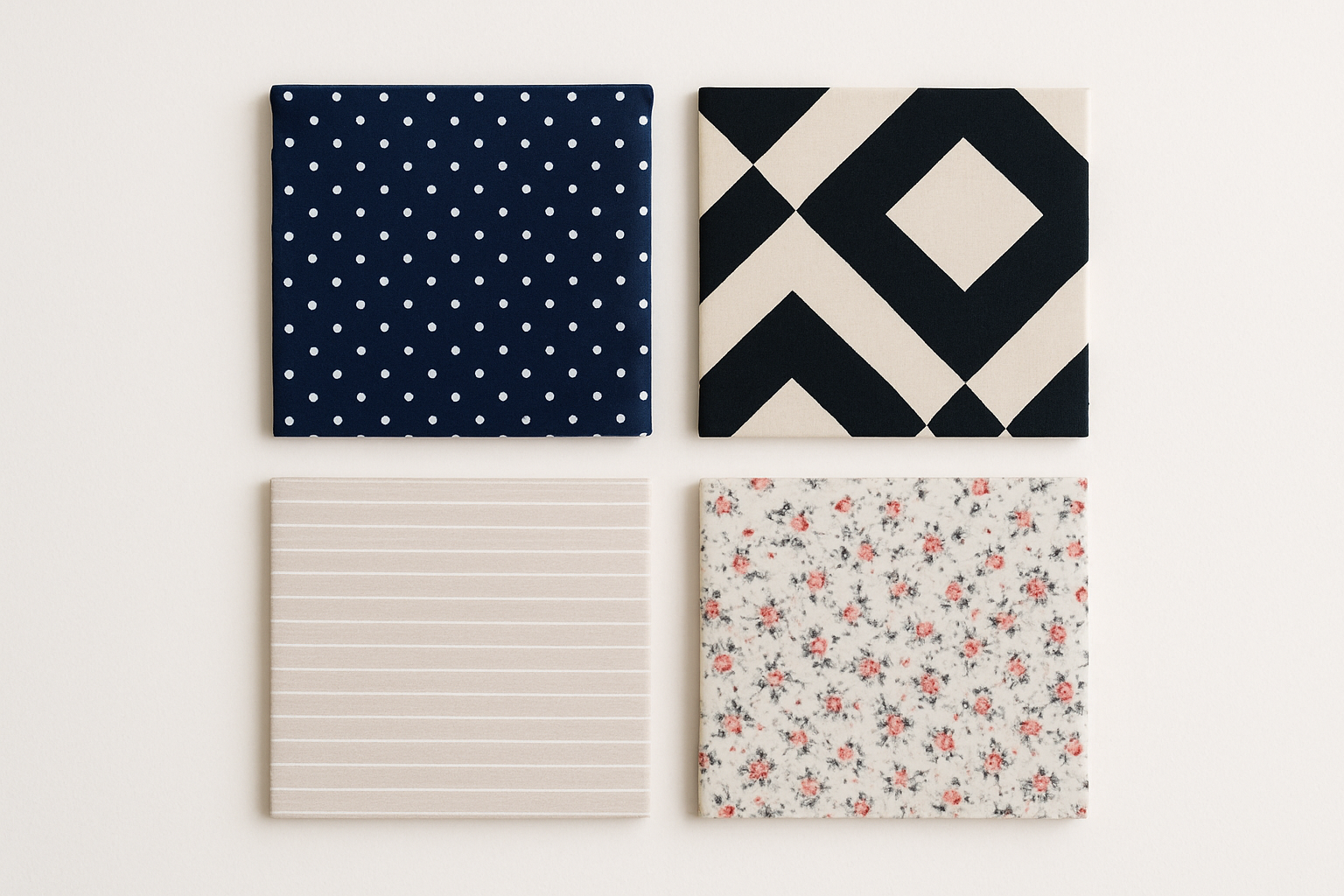
- Pinstripes (small) with wide windowpane checks (large) creates a sophisticated professional look
- Tiny florals (small) with bold geometric prints (large) balances feminine and structured elements
- Microdots (small) with oversized plaid (large) offers subtle-meets-statement appeal
- Herringbone (small-medium) with broad stripes (large) combines classic textures effortlessly
- Delicate paisley (small-medium) with chunky animal print (large) pairs organic motifs at different scales
- Thin stripes (small) with large florals (large) mixes linear and organic shapes harmoniously
- Fine houndstooth (small) with bold checks (large) layers similar pattern types at varying scales
- Subtle geometric (small) with dramatic abstract prints (large) combines modern aesthetics safely
- Miniature polka dots (small) with wide stripes (large) pairs classic patterns for timeless style
- Tiny gingham (small) with large ikat prints (large) blends structured and organic elements
- Fine glen plaid (small-medium) with oversized florals (large) creates unexpected elegance
- Narrow ticking stripes (small) with bold medallion prints (large) balances simple and ornate
The Three-Pattern Maximum Rule
While scale variation enables successful pattern mixing, there’s a practical limit to how many patterns you can combine before an outfit becomes visually overwhelming. Most stylists recommend a maximum of three patterns per look, with each pattern occupying a different scale tier to maintain clear visual hierarchy.
This three-pattern maximum isn’t about rigid rules but about managing visual complexity in a way that reads as sophisticated rather than chaotic. Advanced pattern mixers sometimes break this guideline successfully, but they do so with exceptional attention to color cohesion and strategic placement that keeps the overall look balanced.
When combining three patterns, think in terms of small, medium, and large scale representation, with each pattern claiming one tier. Your largest pattern should occupy the most prominent position, your medium pattern should take a supporting role, and your smallest pattern should function almost as a textured neutral that grounds the entire composition.
The proportions matter too: your dominant pattern typically occupies about 60% of the visual real estate, your secondary pattern covers roughly 30%, and your accent pattern fills the remaining 10%. This graduated approach prevents any single element from overwhelming the others while ensuring each pattern contributes meaningfully to the overall effect.
Color continuity becomes even more critical when working with three patterns because it’s the thread that ties disparate prints together into a cohesive story. At minimum, aim for one shared color across all three patterns, though two shared colors creates an even more unified result.
Solid colors serve as essential visual breaks when combining multiple patterns, so don’t feel pressured to pattern every piece in your outfit. A solid belt, solid shoes, or solid bag gives the eye places to rest and prevents the cumulative effect from becoming exhausting.
Practice with two patterns first until you feel confident reading scale and managing proportion, then add a third pattern once you’ve internalized the fundamental principles. Building this skill gradually leads to better instincts than attempting complex combinations before mastering simpler ones.
Remember that accessories count as pattern opportunities too, so a patterned scarf, bag, or belt can serve as your third pattern without requiring a third patterned garment. This approach often creates more wearable results because accessories are easily added or removed to adjust the outfit’s intensity.
Color’s Role in Pattern Mixing
Scale variation creates the structural foundation for successful pattern mixing, but color harmony is the element that transforms technically correct combinations into genuinely stylish ones. The relationship between colors across your patterns determines whether the overall effect feels curated or coincidental.
The Shared Color Principle
The most reliable approach to pattern mixing involves ensuring at least one color appears in both patterns you’re combining. This shared hue creates visual continuity that helps the eye understand the patterns as belonging together rather than existing as separate, unrelated elements.
The shared color doesn’t need to be dominant in both patterns—it might be a background color in one and an accent in another. What matters is that this connecting thread exists, giving your brain permission to read the combination as intentional and cohesive.
Complementary Versus Harmonious Palettes
Patterns in complementary colors (opposites on the color wheel) create dynamic, energetic combinations that demand attention and work well for statement-making looks. This approach requires confident execution but can yield striking results when scale variation is handled correctly.
Harmonious palettes (colors adjacent on the color wheel) produce softer, more unified pattern combinations that feel sophisticated without being as visually aggressive. For everyday pattern mixing, harmonious approaches are often more wearable and versatile.
Neutral Pattern Mixing
Mixing patterns in neutral colorways (black, white, gray, navy, camel, cream) is often the safest entry point for pattern mixing beginners because the limited palette reduces variables and makes scale the primary consideration.
Don’t mistake neutral pattern mixing for boring, though—a black-and-white houndstooth paired with navy-and-cream stripes can be just as sophisticated as colorful combinations while remaining extremely wearable for professional or casual settings.
Building a Pattern-Mixing Wardrobe
Having the right pieces makes pattern mixing significantly easier, so thoughtful wardrobe building pays dividends for anyone who wants to develop this skill. Certain patterns and pieces function as pattern-mixing building blocks that expand your styling options exponentially.
- Classic Breton stripes in navy and white serve as a near-universal small-scale base
- Pinstriped shirts in various colors provide workwear-appropriate pattern foundations
- Subtle houndstooth pieces function as textured neutrals that pair with almost anything
- A bold plaid blazer or jacket becomes a statement piece that anchors pattern-mixed outfits
- Floral midi skirts in varying scales offer feminine pattern-mixing options
- Geometric print accessories add pattern without committing to full garments
- Polka dot blouses in different dot sizes provide classic mixing opportunities
- Wide-striped pants or skirts make strong secondary pattern statements
- Paisley scarves introduce organic patterns at manageable commitment levels
- Gingham pieces in various check sizes bridge casual and refined aesthetics
- Abstract print items add contemporary edge to traditional pattern combinations
- Animal print accessories or garments serve as bold accent patterns
- Windowpane check pieces offer open patterns that layer well over smaller prints
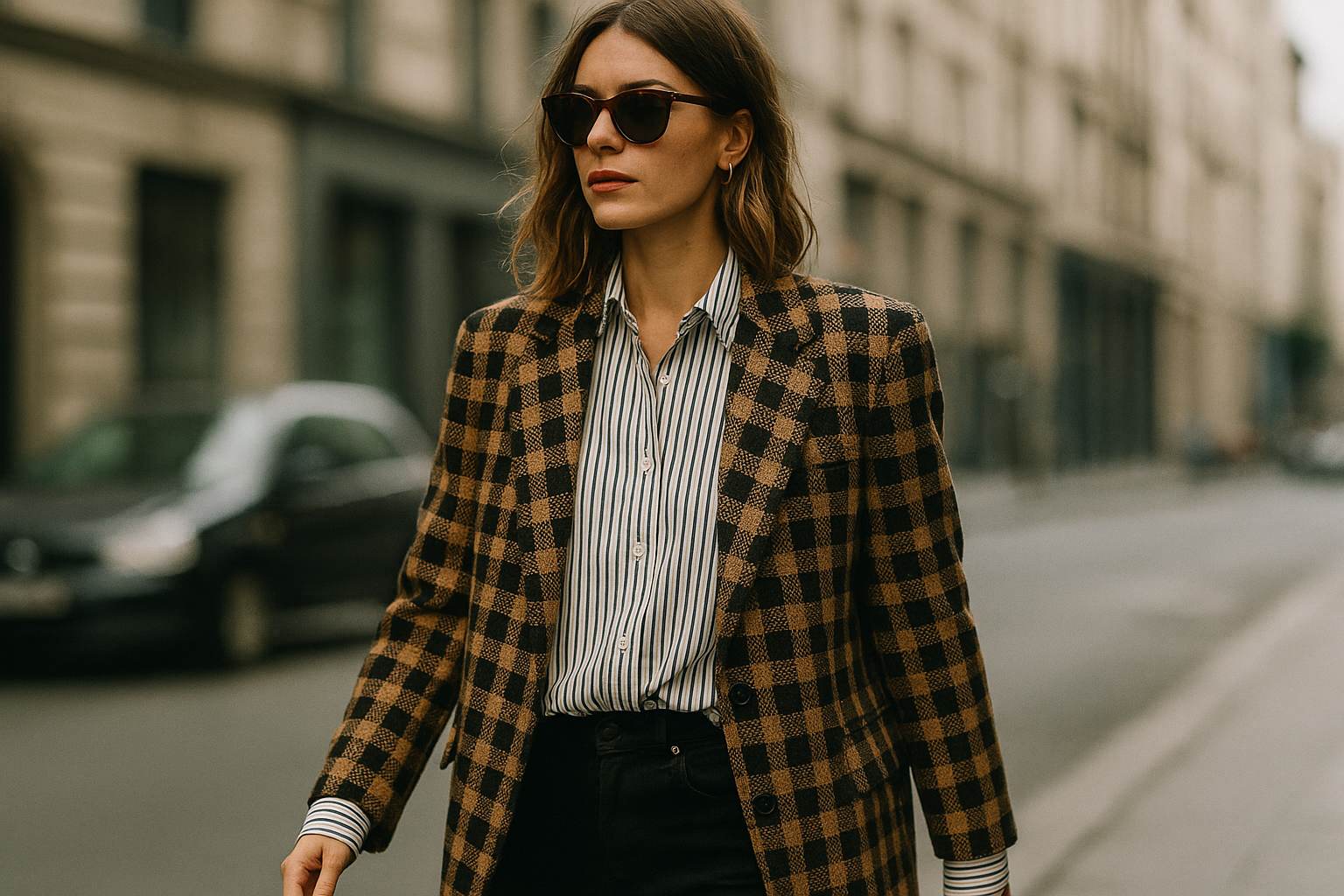
Pattern Mixing for Different Occasions
The same scale rule applies across contexts, but the intensity and formality of your pattern choices should adapt to the setting. What works for a weekend brunch might overwhelm in a boardroom, while conservative office mixing might feel underwhelming for a creative event.
Professional Settings
Office-appropriate pattern mixing typically involves more subtle combinations using classic patterns in muted or neutral colorways. A pinstriped shirt under a subtle glen plaid suit demonstrates sophistication without demanding too much attention, which suits professional contexts where competence matters more than creativity.
Stick to two patterns maximum in most professional environments and ensure both feel traditionally “workwear appropriate.” Save your boldest pattern experiments for settings where self-expression is valued over conformity.
Casual and Weekend Wear
Relaxed settings give you permission to experiment more boldly with pattern mixing, trying combinations that might feel too attention-seeking for work. Weekend wear is the ideal laboratory for developing your pattern-mixing skills because the stakes are lower and the aesthetic range is wider.
A striped tee under a floral kimono, gingham shorts with a geometric print top, or polka dots mixed with animal print all become viable options when the context supports self-expression over conformity.
Special Occasions and Events
Events and parties often call for more dramatic styling, making them appropriate venues for ambitious pattern combinations that showcase your mixing skills. A boldly patterned statement piece paired with one or two supporting patterns can create memorable looks that feel appropriately celebratory.
Consider the event’s tone and dress code, but generally, festive occasions welcome the kind of visual interest that strong pattern mixing delivers. Just ensure your combination still follows scale principles even when the patterns themselves are more dramatic.
Common Pattern Mixing Mistakes
Even understanding the scale rule doesn’t immunize you against pattern mixing errors, and recognizing common mistakes helps you avoid them in your own styling. Most mixing failures stem from ignoring scale principles or misunderstanding how other elements interact with pattern choices.
Matching Scales Too Closely
The most frequent pattern mixing mistake is combining patterns at nearly identical scales, which creates the visual confusion that registers as “clashing.” When your stripes and your plaid have similar-width elements, neither pattern can establish dominance, leaving the eye unsure where to focus.
Always ensure meaningful scale variation between patterns, aiming for at least a two-to-one difference in motif size. If you can’t clearly identify which pattern is larger, you probably need more differentiation.
Ignoring Pattern Density
Scale refers to motif size, but density (how closely motifs are spaced) also affects visual weight and can undermine otherwise sound scale choices. A large-scale pattern with densely packed motifs might actually overwhelm a small-scale pattern with sparse spacing, even though scale theory suggests otherwise.
Consider both dimensions when evaluating pattern compatibility, and use your eye to assess overall visual weight rather than relying solely on motif size measurements.
Forgetting About Proportion
Where patterns appear on your body and how much visual space they occupy matters as much as the patterns themselves. Placing two visually heavy patterns directly adjacent creates awkward transitions, while poor proportion distribution can make one pattern feel like an afterthought.
Think about your outfit as a composition and ensure pattern placement creates intentional visual flow rather than random scatter.
Advanced Pattern Mixing Techniques
Once you’ve mastered basic scale variation, several advanced techniques can elevate your pattern mixing to more sophisticated levels. These approaches require stronger instincts but yield increasingly refined and personal results.
- Tonal pattern mixing uses patterns in the same color family at different scales for sophisticated depth
- Pattern-on-pattern layering places sheer patterned pieces over solid or patterned bases
- Texture-based patterns like cable knits or brocades add dimension without print
- Deliberate contrast mixing pairs dramatically different pattern types (organic with geometric)
- Gradient scale mixing includes small, medium, and large patterns in one carefully proportioned outfit
- Single-pattern variation uses the same pattern type at different scales (multiple stripes)
- Cultural pattern integration incorporates traditional prints requiring their own scale considerations
- Print-blocking techniques place patterns in distinct zones with solid color boundaries
- Asymmetric pattern placement creates intentional visual interest through unexpected positioning
- Metallic and textured pattern mixing adds dimension beyond flat printed patterns
- Digital and abstract pattern integration incorporates contemporary prints alongside classics
- Vintage-modern pattern mixing pairs period prints with contemporary patterns
Pattern Mixing Across Seasons
Seasonal wardrobe changes affect pattern mixing opportunities because available fabrics, colors, and layering possibilities shift throughout the year. Understanding how to adapt your mixing approach to seasonal contexts keeps your styling fresh and appropriate.
Spring and Summer Pattern Mixing
Warmer months typically feature lighter fabrics, brighter colors, and less layering, which changes how patterns interact visually. Lightweight cottons and linens often have crisper pattern definition, making scale variation especially important because patterns don’t soften into each other the way heavier fabrics allow.
Summer pattern mixing tends toward more playful, colorful combinations that take advantage of extended daylight and casual seasonal aesthetics. Florals mixed with stripes, gingham with dots, and other classically “summery” combinations become especially appropriate.
Fall and Winter Pattern Mixing
Cooler seasons bring heavier fabrics, richer colors, and increased layering, all of which create different pattern mixing dynamics. Wool, tweed, and knit textures add pattern-like visual interest even in solid pieces, meaning your “patterns” might include textured solids alongside printed items.
Layering opportunities in fall and winter also mean you can reveal and conceal patterns throughout the day, creating different looks from the same foundational pieces. A patterned shirt might peek from beneath a solid sweater, with a patterned coat completing the mix.
Transitional Season Strategies
Spring and fall transitional periods require flexibility because temperatures fluctuate and wardrobes blend seasonal elements. Keep scale principles consistent even as you mix summer florals with fall plaids or winter wools with spring stripes.
Transitional dressing often involves more layering than either extreme season, creating additional pattern-mixing opportunities through jackets, scarves, and other removable pieces that can adjust your look throughout the day.
Developing Your Pattern Mixing Eye
Like any skill, pattern mixing improves with practice and intentional observation. Developing your eye for successful combinations involves both active experimentation and passive study of how others execute the principles you’re learning.
Start by documenting combinations you see and admire, whether in street style photography, fashion editorials, or on people you encounter. Analyze what makes these combinations work: identify the scale relationships, note the color connections, and observe the proportions. This analytical approach trains your brain to recognize successful mixing intuitively.
Your own closet becomes a laboratory for low-stakes experimentation when you dedicate time to trying unusual combinations without leaving the house. Pull pieces that seem unlikely together and assess whether scale variation creates the harmony you’re seeking, adjusting and iterating until you discover unexpected successes.
Photography helps develop your eye because it removes the distortion of in-person viewing and shows you how combinations actually look to others. Take photos of your pattern-mixed outfits and review them objectively, noting what works and what might need adjustment.
Feedback from trusted friends whose style you admire can accelerate your learning by providing external perspectives on combinations you might not evaluate objectively. Choose feedback sources whose aesthetic you respect rather than asking people whose style preferences differ significantly from yours.
Finally, accept that some experiments will fail, and view failures as learning opportunities rather than evidence that pattern mixing isn’t for you. Every confident pattern mixer has created combinations that didn’t work, but persistence and reflection transform early mistakes into eventual mastery.
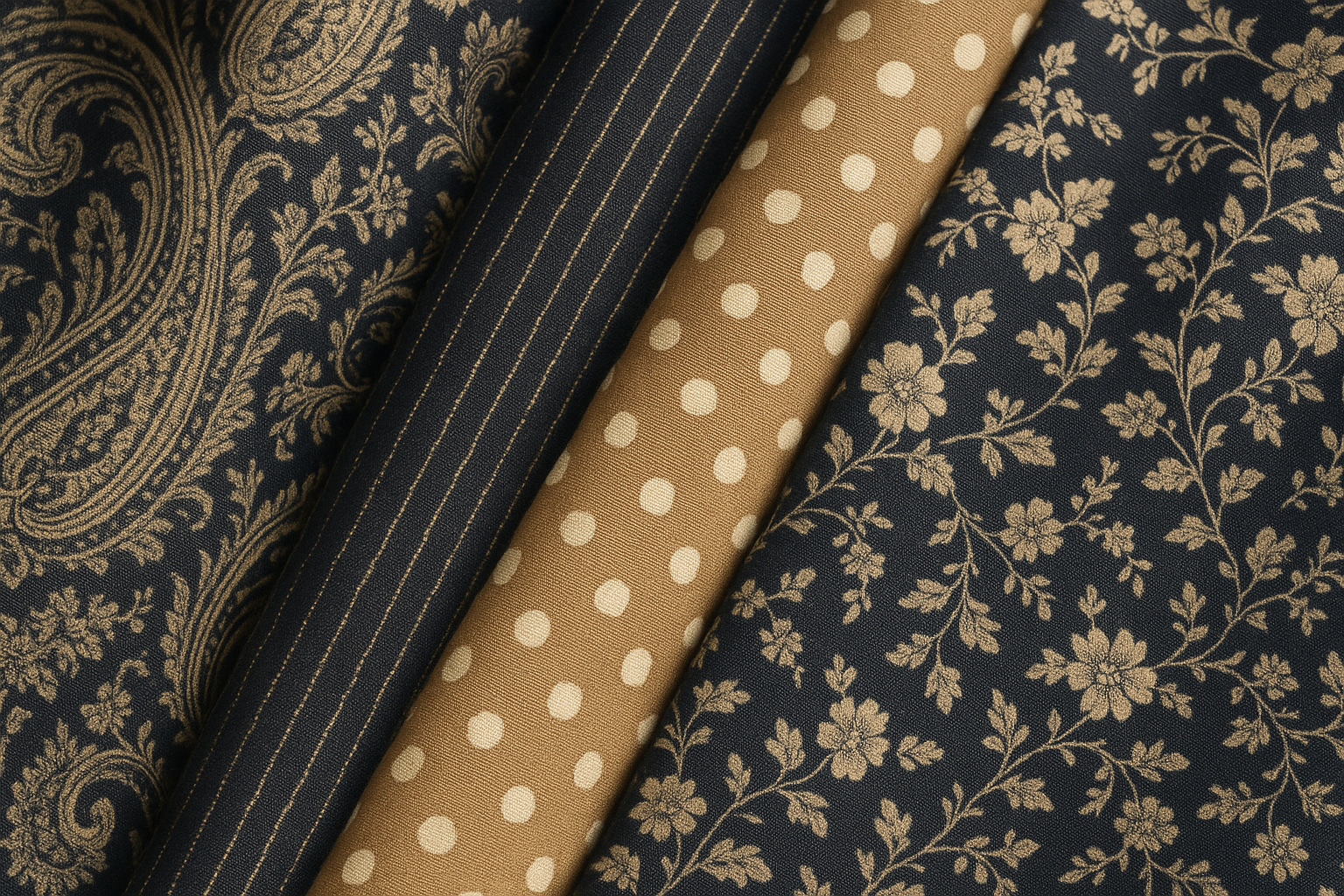
Summary Table
| Pattern Scale | Examples | Best Paired With |
|---|---|---|
| Small Scale | Pinstripes, microdots, tiny florals, fine houndstooth | Large-scale patterns; serves as grounding neutral |
| Medium Scale | Standard stripes, moderate plaids, mid-sized florals | Both small and large scales; most versatile tier |
| Large Scale | Bold plaids, oversized florals, wide stripes, chunky geometrics | Small-scale patterns; functions as statement piece |
Conclusion
The scale rule transforms pattern mixing from intimidating guesswork into a learnable skill with predictable, successful outcomes. By ensuring meaningful size variation between the patterns you combine, you give your eye clear visual hierarchy that registers as intentional styling rather than accidental chaos. Add color cohesion and thoughtful proportion, and you have the complete framework for mixing patterns with confidence.
Start simple with two patterns at clearly different scales, build your wardrobe with versatile mixing pieces, and practice regularly until reading scale relationships becomes second nature. The freedom to combine patterns opens up exponentially more outfit possibilities from the same wardrobe, making pattern mixing mastery one of the most rewarding styling skills you can develop.
Frequently Asked Questions
Can I mix patterns if I’m not naturally creative with clothes?
Absolutely. Pattern mixing isn’t about innate creativity—it’s about understanding a few straightforward principles and applying them consistently. The scale rule provides a reliable framework that anyone can follow, and starting with classic combinations (like stripes plus florals at different scales) requires no special creative vision. As you practice, your comfort and intuition will grow naturally.
How do I know if two patterns are different enough in scale?
A good guideline is that the motifs in your larger pattern should be at least twice the size of the motifs in your smaller pattern. If you have to squint or analyze closely to determine which pattern is bigger, you probably need more differentiation. Trust your gut: if the scales feel similar, they probably are.
What’s the easiest pattern combination for beginners?
Stripes paired with florals at different scales is the classic beginner combination because stripes are linear and structured while florals are organic and curved, creating natural contrast beyond just scale. A pinstriped shirt with a large floral skirt, or a striped dress with a floral scarf, illustrates this reliable pairing.
Can I wear three or more patterns together?
Yes, but it requires more careful attention to scale progression and color cohesion. When combining three patterns, aim for small, medium, and large scale representation with at least one color shared across all three. Solid colors between patterns help prevent visual overwhelm. Master two-pattern mixing before attempting three.
Should the larger pattern always be on top or bottom?
There’s no rule about pattern placement, but placement does affect how the outfit reads. Larger patterns on top draw attention to your upper body, while larger patterns on bottom emphasize your lower half. Choose placement based on what you want to highlight, or experiment to see what feels most balanced for your body.
Does pattern mixing work for all body types?
Yes, though you might adjust placement and scale to complement your particular proportions. Larger patterns can add visual volume, so placing them strategically can balance your silhouette. The scale rule itself applies universally regardless of body type.
Can I mix two patterns of the same type, like stripes with stripes?
Yes, mixing the same pattern type at different scales is actually one of the most sophisticated pattern mixing techniques. Pairing pinstripes with wide stripes, or small checks with large checks, creates cohesive looks with built-in pattern harmony. Just ensure the scale difference is dramatic enough to read as intentional.
What if I love a pattern combination that breaks the scale rule?
Rules in fashion are guidelines, not laws, and personal style sometimes means breaking conventions intentionally. If you love a combination that technically violates scale principles, wear it confidently. The scale rule helps create reliable successes, but individual expression sometimes transcends systematic approaches.

Gabrielle J. Smith is the pulsating essence that brings life to the world of fashion and color. With an innate talent for understanding the nuances of hues, she has the uncanny ability to paint narratives with her words, diving deep into the realm of color trends and the art of harmonizing them. Not just an expert in the field, Gabrielle also plays a pivotal role in strengthening the cohesion of our team, ensuring growth and harmony. Each of her articles is a testament to her passion, weaving captivating tales that resonate with readers and fashion aficionados alike.
Reviewed By: Joanna Perez and Anna West
Edited By: Lenny Terra
Fact Checked By: Matthew Mansour
Photos Taken or Curated By: Matthew Mansour
