Key Takeaways
- Sea salt is a soft, warm-leaning neutral that sits between white and greige, offering brightness without harshness.
- This shade reflects light in a way that makes skin appear more radiant and healthy across all skin tones.
- Sea salt pairs effortlessly with both cool and warm colors, making it one of the most versatile neutrals in your wardrobe.
- Unlike stark white, sea salt is forgiving and wearable in all seasons without looking washed out or severe.
- This color works particularly well as a base layer or main garment when you want to look polished but approachable.
- Sea salt complements natural materials like linen, cotton, and cashmere beautifully, enhancing their texture.
- The shade is perfect for creating monochromatic outfits that look sophisticated rather than boring.
- Accessories in sea salt tones can tie together outfits with multiple colors without adding visual noise.
In the ever-evolving world of fashion neutrals, sea salt has emerged as a quiet star that deserves far more attention than it typically receives. This soft, sophisticated shade sits in that magical space between pure white and warm beige, offering the brightness of white without its starkness and the warmth of cream without feeling dated. What makes sea salt particularly special is its unique ability to interact with skin tones in a way that creates an almost luminous effect, as if you are standing in the most flattering natural light all day long. Whether you are building a capsule wardrobe from scratch or looking to refresh your neutral palette, understanding how to wear sea salt can transform the way you approach getting dressed each morning.

Understanding the Sea Salt Shade
Sea salt is not simply another name for off-white or cream, though it shares DNA with both. This particular shade draws its inspiration from the natural mineral deposits left behind when ocean water evaporates, capturing that subtle mix of pure white with the faintest whisper of warmth and mineral undertones that makes it feel organic and alive rather than flat.
The Color Profile of Sea Salt
When you examine sea salt closely, you notice it contains the slightest hint of warmth, often leaning toward a soft yellow or the barest touch of gray. This complexity is precisely what makes it so wearable because it does not read as stark or cold the way pure white can, yet it maintains enough brightness to reflect light beautifully. The undertones in sea salt tend to be neutral to slightly warm, which is why it flatters such a wide range of skin tones without washing anyone out.
In different lighting conditions, sea salt reveals different aspects of its character. Under natural daylight, it appears bright and fresh with a clean, almost mineral quality. In warmer indoor lighting, the subtle warm undertones become more apparent, giving it a cozy, inviting quality. This chameleon-like behavior makes it endlessly useful because it adapts to its environment rather than fighting against it.
How Sea Salt Differs from Other Light Neutrals
The distinction between sea salt and its close relatives becomes clear when you place them side by side. Pure white is bright and crisp but can feel clinical and harsh, especially against warmer skin tones. Cream leans distinctly yellow and can sometimes feel too heavy or dated. Ivory has pink undertones that do not suit everyone, and standard off-white often looks like someone tried to wash white and failed.
Sea salt occupies a unique position in this spectrum because it manages to be bright without being harsh and warm without being heavy. It has just enough pigment to feel intentional but not so much that it competes with other colors in your outfit. This balance is what makes it such a valuable addition to any wardrobe, serving as the perfect canvas for almost any color story you want to create.
The Science Behind the Flattering Effect
The reason sea salt makes skin look brighter comes down to how light interacts with the shade and bounces back toward your face. Unlike pure white, which can create harsh shadows and highlight every imperfection, sea salt reflects a softer, more diffused light. This gentle reflection acts almost like a natural filter, evening out skin tone and creating a subtle glow that makes you look more rested and vibrant.
Additionally, the warm undertones in sea salt work in harmony with the natural warmth present in all skin tones to some degree. This creates a visual connection between your clothing and your complexion that reads as cohesive and flattering rather than jarring. The effect is similar to what happens when you stand near a wall painted in a warm neutral versus a cool gray, except you are wearing the flattering shade right against your skin.
Styling Sea Salt for Different Occasions
The versatility of sea salt extends far beyond basic styling, making it appropriate for everything from casual weekend wear to professional settings and even more formal occasions. Understanding how to adapt this shade to different contexts allows you to maximize its potential in your wardrobe and discover new ways to wear pieces you might already own.
Casual Everyday Looks
For relaxed daily wear, sea salt shines in comfortable, breathable fabrics that emphasize its natural, organic quality. A sea salt linen shirt worn loosely over well-fitted jeans creates an effortlessly chic look that works for everything from coffee runs to casual lunch dates. The key is to let the fabric and color do the work, keeping accessories minimal and allowing the soft brightness of the shade to be the focal point.
Layering in sea salt for casual settings works particularly well because the shade does not visually interrupt other pieces. A sea salt cardigan over a colorful t-shirt adds polish without competing with whatever you are wearing underneath. Similarly, sea salt sneakers or casual flats can ground an outfit with color while keeping the overall look cohesive and easy.
Professional and Workwear Applications
In professional settings, sea salt offers a sophisticated alternative to standard white shirts and blouses that can sometimes feel too stiff or formal. A sea salt silk blouse or structured cotton top reads as polished and intentional while maintaining a approachable warmth that pure white cannot achieve. This subtle difference in temperature can affect how colleagues and clients perceive you, making you appear both competent and personable.
For workwear, consider pairing sea salt tops with navy, charcoal, or deep green bottoms for combinations that feel fresh but still office-appropriate. The brightness of sea salt near your face keeps the overall look from feeling too dark or heavy, even when paired with deep colors. In summer months, sea salt trousers or a sea salt suit can feel remarkably chic while remaining cool and comfortable.
Evening and Special Occasion Styling
Sea salt transitions beautifully to evening wear, particularly when rendered in luxurious fabrics like silk charmeuse, velvet, or fine wool. The subtle warmth of the shade catches candlelight beautifully, creating a soft glow that photographs well and flatters in person. A sea salt slip dress for summer weddings or a sea salt cashmere sweater for holiday gatherings demonstrates how the shade can feel elevated without being fussy.
For formal occasions, the trick with sea salt is to lean into quality over embellishment. The shade itself is understated, so let exceptional cut and fabric speak for themselves rather than adding excessive details. Gold or rose gold jewelry particularly complements sea salt for evening, enhancing its warm undertones and adding just enough sparkle without overwhelming the quiet sophistication of the base color.
Color Pairings That Work with Sea Salt
One of sea salt’s greatest strengths is its ability to play well with virtually every color family. Unlike some neutrals that lean so warm or cool they limit your pairing options, sea salt’s balanced undertones make it a true chameleon that enhances whatever you pair it with. Understanding which combinations create different effects allows you to use sea salt strategically in your outfits.
The color combinations below represent some of the most successful pairings with sea salt, each creating a distinct mood and visual impact while maintaining the shade’s signature brightening effect.
- Sea salt with navy blue creates a classic, nautical-inspired combination that feels fresh and sophisticated.
- Pairing sea salt with terracotta brings out warmth in both shades for an earthy, modern look.
- Sea salt alongside sage green produces a serene, nature-inspired palette perfect for spring and summer.
- Combining sea salt with chocolate brown creates rich contrast while maintaining warmth throughout.
- Sea salt with dusty rose offers a romantic, soft combination ideal for feminine styling.
- Pairing sea salt with charcoal provides clean contrast without the starkness of black and white.
- Sea salt alongside mustard yellow creates unexpected vibrancy that feels cheerful but grounded.
- Combining sea salt with camel or tan builds a sophisticated tonal palette with subtle variation.
- Sea salt with burgundy offers autumnal elegance with brightness to prevent heaviness.
- Pairing sea salt with olive green produces an organic, understated combination with depth.
- Sea salt alongside powder blue creates a cool, calming palette with gentle contrast.
- Combining sea salt with coral brings summer energy while the neutral base keeps things balanced.
- Sea salt with lavender produces a dreamy, ethereal combination perfect for transitional seasons.
- Pairing sea salt with forest green creates a refined, nature-inspired look with sophistication.
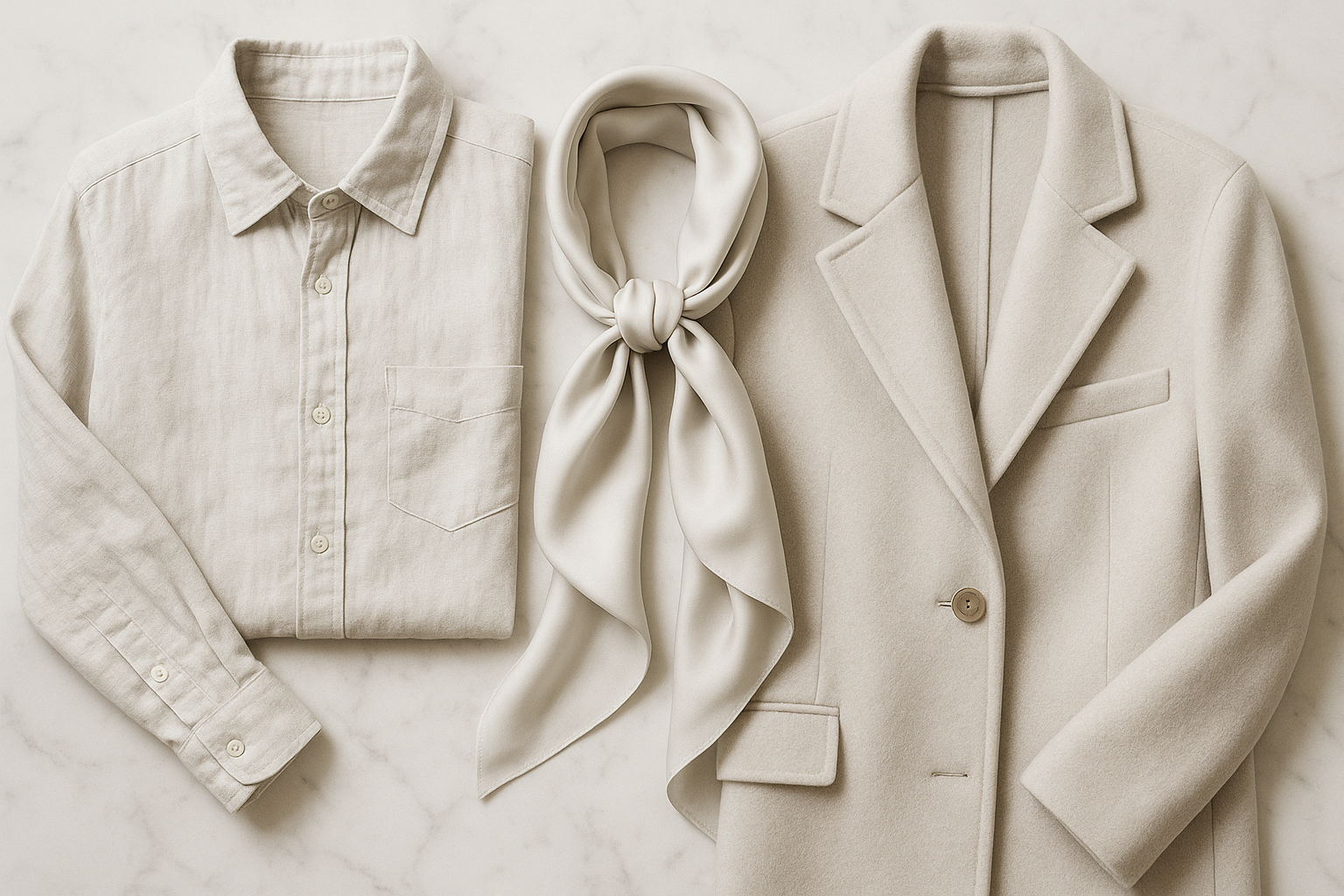
Building a Sea Salt Capsule Wardrobe
Creating a capsule wardrobe with sea salt as a foundational color offers remarkable flexibility because the shade works across seasons and occasions without ever feeling tired or limiting. The key is selecting pieces in sea salt that serve multiple purposes while investing in quality fabrics that show the color at its best.
Starting with a sea salt silk camisole gives you a versatile layering piece that works under blazers for work, with jeans for casual weekends, and on its own for summer evenings. This single piece in sea salt can anchor dozens of outfits throughout the year. Add a sea salt cotton button-down and you have a second neutral top that transitions from office to weekend effortlessly.
For bottoms, sea salt works beautifully in wide-leg trousers or relaxed-fit jeans, offering an alternative to white denim that feels more sophisticated and less prone to showing every mark. A sea salt midi skirt in a flowing fabric can bridge the gap between casual and dressy, working with sneakers and sandals as easily as with heels.
Outerwear in sea salt makes a strong statement without overwhelming. A sea salt linen blazer for summer or a sea salt wool coat for winter serves as a statement piece that still functions as a neutral. These pieces photograph beautifully and elevate even the simplest outfit underneath.
Knitwear is where sea salt truly excels because the texture of knitted fabrics shows off the shade’s depth and warmth. A sea salt cashmere crewneck or an oversized sea salt cardigan becomes the kind of comfort piece you reach for constantly, working with everything in your closet while adding an instant sense of polish.
When building accessories in sea salt, consider leather goods like bags and belts where the shade can take on different personalities depending on the finish. A matte sea salt leather tote feels relaxed and organic, while a polished sea salt clutch reads as elegant and refined. Both work with your wardrobe but serve different occasions.
Footwear in sea salt rounds out the capsule beautifully. Sea salt sneakers offer a cleaner alternative to white that does not show dirt as readily. Sea salt sandals feel fresh for summer without the clinical edge of pure white. And sea salt ankle boots can bridge seasons, looking appropriate from early fall through spring.
The beauty of building around sea salt is that once you have these foundational pieces, adding color becomes simple and intuitive. Any shade you love will work with your sea salt base, giving you permission to experiment with trends without committing to a full new wardrobe each season.
Sea Salt Across Skin Tones
While sea salt is remarkably flattering across the board, understanding how it interacts with different skin tones helps you maximize its brightening effect. The shade’s balanced undertones mean it avoids the common pitfalls of other light neutrals, but slight adjustments in how you wear it can enhance its flattering properties even further.
Fair and Light Skin Tones
For those with fair skin, sea salt creates beautiful contrast without the harshness that pure white can sometimes introduce. The subtle warmth in sea salt prevents that washed-out effect that makes some people with light skin shy away from very pale colors. Wearing sea salt near the face, whether as a scarf, top, or statement earrings, reflects light in a way that makes light skin appear healthy and radiant rather than pale.
If you have fair skin with pink undertones, sea salt’s neutral-to-warm base helps balance any redness and creates a more even appearance. Those with fair skin and yellow undertones find that sea salt enhances their natural warmth without looking sallow. The key for fair skin is ensuring the sea salt pieces you choose are not too yellow-toned, which could tip the balance.
Medium Skin Tones
Medium skin tones often glow most dramatically in sea salt because the contrast is present without being extreme. The shade brings out the natural warmth in medium skin while the brightness creates a healthy, sun-kissed effect that looks natural and flattering. This is the skin tone range where sea salt can sometimes look like you have just returned from a perfect beach vacation.
For medium skin with olive undertones, sea salt provides a beautiful complement that enhances the green and golden tones without overwhelming them. Those with warm, golden medium skin find sea salt creates a harmonious palette that feels cohesive and polished. Medium skin with cool undertones can also wear sea salt successfully, as the shade’s balanced base does not fight against cooler complexions.
Deep and Dark Skin Tones
On deep skin tones, sea salt creates stunning contrast that is dramatic but still soft. Unlike stark white, which can sometimes look too sharp against dark skin, sea salt offers brightness with a touch of warmth that creates a more harmonious visual effect. The result is striking without being jarring, allowing the richness of deep skin tones to shine while the sea salt provides a beautiful frame.
For those with deep skin and warm undertones, sea salt enhances the golden and red tones naturally present, creating a luminous effect. Deep skin with cool undertones pairs beautifully with sea salt as well, as the shade’s neutrality means it does not clash with blue or purple undertones. Wearing sea salt in larger blocks of color, like a sea salt dress or suit, allows deep skin tones to really showcase the shade’s elegance.
Fabric Choices for Sea Salt
The fabric you choose for sea salt garments significantly impacts how the color reads and feels. Different materials catch light differently and bring out various aspects of this nuanced shade. Selecting the right fabric ensures your sea salt pieces look intentional and sophisticated rather than cheap or washed out.
Natural fibers tend to showcase sea salt most beautifully because their texture adds visual interest that enhances the shade’s organic quality. The imperfections and variations inherent in natural fabrics work with sea salt’s subtle undertones to create depth that synthetic fabrics often cannot match.
- Linen in sea salt offers a relaxed, textured look perfect for warm weather and casual styling.
- Cotton poplin creates crisp, clean sea salt pieces ideal for shirts and structured dresses.
- Silk charmeuse gives sea salt a luminous quality that catches light beautifully for evening wear.
- Cashmere in sea salt feels luxurious and shows the color’s warmth most dramatically.
- Wool crepe offers structure while maintaining the softness inherent in the shade.
- Cotton jersey provides comfortable, easy-to-wear sea salt basics that work daily.
- Silk crepe de chine balances structure and flow for elegant sea salt blouses.
- Merino wool knits showcase sea salt beautifully in sweaters and layering pieces.
- Linen-cotton blends offer the best of both fabrics for versatile sea salt separates.
- Raw silk adds interesting texture that makes sea salt pieces feel artisanal and unique.
- Organic cotton in sea salt aligns the natural color with sustainable fabric choices.
- Tencel drapes beautifully in sea salt for flowy skirts and relaxed trousers.
- Fine gauge knits in sea salt create polished pieces that work for professional settings.

Seasonal Styling with Sea Salt
Unlike many light neutrals that feel season-specific, sea salt transitions through the entire year with appropriate styling adjustments. Understanding how to adapt your sea salt pieces to each season ensures they earn their place in your closet twelve months a year rather than sitting unused for half the time.
Spring Styling
Spring is perhaps sea salt’s most natural home, as the shade perfectly captures the fresh, optimistic energy of the season. Pair sea salt pieces with soft pastels like lavender, pale pink, and soft blue for combinations that feel appropriately seasonal without being overly sweet. Lighter weight fabrics in sea salt, like cotton and early-season linen, work beautifully as temperatures warm.
Layering becomes key in spring’s unpredictable weather. A sea salt trench coat over colorful layers creates a polished look that works from morning chill through afternoon warmth. Sea salt sneakers or ballet flats ground spring outfits with brightness while remaining practical for the season’s mix of conditions.
Summer Styling
In summer, sea salt becomes a cooling, fresh alternative to stark white that does not show every mark and stain. Sea salt linen shirts, cotton dresses, and relaxed trousers feel appropriately seasonal while maintaining sophistication. The shade photographs beautifully in summer light, making it perfect for vacation wardrobes and outdoor events.
Pair summer sea salt with natural textures like woven bags, leather sandals, and organic jewelry for a cohesive, effortless aesthetic. Brighter accent colors like coral, turquoise, or sunny yellow pop beautifully against sea salt in summer, creating vibrant combinations that feel festive without being overwhelming.
Fall and Winter Approaches
Cooler months might seem challenging for a pale neutral, but sea salt actually excels when styled correctly for fall and winter. In heavier fabrics like cashmere, wool, and corduroy, sea salt takes on a cozy richness that feels seasonally appropriate. Paired with deep autumn tones like burgundy, forest green, and chocolate brown, sea salt provides necessary brightness to keep darker palettes from feeling too heavy.
Winter sea salt works particularly well in textured knits where the shade’s warmth becomes most apparent. A chunky sea salt sweater with dark jeans and boots creates an outfit that is cozy, practical, and surprisingly elegant. Sea salt accessories like scarves and beanies brighten winter outfits without requiring a full commitment to the shade in your main garments.
Accessories in Sea Salt
Sea salt accessories offer a low-commitment way to introduce this flattering shade into your wardrobe while testing how it works with your existing pieces. Because accessories sit at different distances from your face, they interact with your skin tone in varying ways, giving you flexibility in how prominently you feature the shade.
Bags and Leather Goods
A sea salt leather bag can become the anchor piece that ties together countless outfits throughout the year. Unlike a colored bag that limits your outfit options, sea salt works with everything while still feeling more interesting than basic black or brown. The shade shows beautifully in quality leather, developing character and patina over time in a way that enhances rather than detracts from its appearance.
Consider a sea salt crossbody for everyday errands, a structured sea salt tote for work, and a sea salt clutch for evening events. Together, these three bags cover most situations while maintaining a cohesive aesthetic. Sea salt belts and leather accessories complete the look, adding subtle coordination without matching too precisely.
Shoes and Footwear
Sea salt footwear provides a cleaner, more sophisticated alternative to stark white shoes while maintaining similar versatility. Sneakers in sea salt look fresh without showing every scuff and mark the way white sneakers inevitably do. The slightly warmer tone also feels more intentional, as if you chose the shade specifically rather than defaulting to basic white.
For dressier occasions, sea salt heels, sandals, and ankle boots offer elegance without the bridal associations that can come with pure white footwear. The shade elongates the leg visually while remaining neutral enough to pair with any outfit. In summer, sea salt espadrilles or leather sandals become go-to pieces that work with everything from dresses to shorts.
Scarves, Jewelry, and Smaller Accessories
Smaller accessories in sea salt tones bring the shade’s brightening effect close to your face where it has the most impact. A sea salt silk scarf worn loosely or a sea salt pashmina for cooler evenings reflects light back toward your complexion in the most flattering way. These pieces work particularly well when your main outfit involves darker colors that might otherwise feel heavy.
Jewelry featuring sea salt tones, whether in enamel, pearls, or stone, adds subtle brightness without competing with your outfit. Sea salt hats and hair accessories work similarly, providing a touch of the shade near your face without requiring a full garment commitment. Even sea salt nail polish can incorporate the shade into your overall aesthetic in a small but noticeable way.
Common Mistakes When Wearing Sea Salt
While sea salt is remarkably forgiving as a shade, certain styling choices can undermine its flattering effects or make outfits feel less intentional. Awareness of these common pitfalls helps you avoid them and ensures your sea salt pieces always look their best.
The most frequent issues come from fabric choice, proportion, and color pairing decisions that inadvertently work against the shade’s natural strengths. With a few adjustments, these mistakes become easy to avoid.
- Choosing cheap, thin fabrics that make sea salt look dingy rather than intentionally warm.
- Mixing sea salt with pure white, which makes the sea salt appear dirty by comparison.
- Wearing sea salt in unflattering cuts that draw attention away from its brightening effect.
- Pairing sea salt with too many other neutrals, resulting in a muddy, undefined palette.
- Selecting sea salt pieces with strong yellow undertones that can read as stained or aged.
- Ignoring the importance of proper undergarments that can show through lighter fabrics.
- Choosing overly shiny synthetic fabrics that cheapen the shade’s natural sophistication.
- Wearing sea salt too far from your face, missing its skin-brightening benefits entirely.
- Failing to press or steam sea salt pieces, as wrinkles are especially visible in light colors.
- Neglecting fabric care, allowing sea salt pieces to develop discoloration over time.
- Overwhelming sea salt with too many colors instead of letting it serve as a calm foundation.
- Choosing sea salt pieces that photograph as pure white, missing the shade’s unique character.
Caring for Sea Salt Garments
Light-colored garments require more careful maintenance than darker pieces, and sea salt is no exception. However, with proper care routines, your sea salt pieces will maintain their beautiful color and remain wardrobe staples for years. The investment in quality care pays off in garments that continue to flatter and perform.
Washing and Cleaning
For machine-washable sea salt pieces, use cold water and gentle, color-safe detergents to preserve the shade’s subtle warmth. Avoid chlorine bleach, which can strip the warm undertones and leave sea salt looking flat and overly stark. Oxygen-based brighteners work well when needed without altering the color’s character.
Delicate sea salt fabrics like silk and cashmere benefit from professional cleaning or careful hand washing. When hand washing, use cool water and appropriate detergent, avoiding wringing or twisting that can distort the fabric. Laying flat to dry preserves shape and prevents the stretching that can occur with hanging.
Storage Best Practices
Store sea salt pieces away from direct sunlight, which can cause fading and yellowing over time. For longer-term storage, acid-free tissue paper helps prevent discoloration and protects delicate fabrics. Avoid plastic bags for extended storage, as they can trap moisture and lead to yellowing or mildew.
Hanging versus folding depends on the specific garment, but generally, sea salt knitwear should be folded to prevent stretching while structured pieces like blazers and coats benefit from padded hangers. Regular rotation of stored pieces prevents permanent creasing and ensures you actually wear everything in your collection.
Treating Stains Quickly
Because sea salt is a light shade, stains become visible immediately and require prompt attention. Keep a stain treatment pen or solution accessible for quick action on fresh marks. The sooner you address a stain, the more likely it is to come out completely without leaving a shadow on the fabric.
Different stain types require different approaches, so knowing your fabric and the stain source helps determine the best treatment. Oil-based stains, for instance, need different handling than wine or coffee. When in doubt, taking stained sea salt pieces to a professional quickly gives the best chance of complete removal.
Why Sea Salt Works as a Wardrobe Foundation
Beyond its flattering effects on skin, sea salt earns its place as a wardrobe foundation through its remarkable versatility and enduring style. Unlike trendy colors that feel dated within a season or two, sea salt’s classic nature ensures your investment pieces remain relevant for years. The shade transcends trends while still feeling current and intentional.
Building a wardrobe around sea salt as one of your core neutrals simplifies getting dressed while maximizing outfit options. Every piece you own in sea salt works with every other color in your closet, creating a multiplicative effect that makes a smaller wardrobe feel larger. This efficiency aligns with sustainable fashion practices and intentional consumption.
The shade’s ability to serve as either a statement or a background note gives you flexibility in how you dress. A full sea salt outfit makes an elegant statement, while a single sea salt piece provides a calm foundation for bolder choices. This versatility means you never feel locked into one aesthetic or limited by your neutral choices.
Sea salt also photographs remarkably well, which matters in an age of video calls and social media. The shade reflects light flattering without blowing out in photos, maintains its character across different lighting conditions, and provides a clean backdrop that keeps attention on your face rather than your clothes.
For those building a professional wardrobe, sea salt offers sophistication that reads as polished without being stuffy. The slight warmth in the shade makes you appear more approachable than stark white while maintaining the crispness associated with competence. This balance serves well in interview situations, presentations, and daily office wear.
As a foundation neutral, sea salt also provides psychological benefits. Starting with a calm, warm base color puts you in a more relaxed state of mind when getting dressed. The shade’s association with natural elements like actual sea salt and beach minerals can evoke feelings of calm and connection to nature, even in urban environments.

Summary Table
| Aspect | Details | Best Practices |
|---|---|---|
| Color Profile | Warm-leaning neutral between white and greige | Look for balanced undertones, avoid heavily yellow tones |
| Skin Tone Compatibility | Flattering across all skin tones | Wear near face for maximum brightening effect |
| Best Fabric Choices | Linen, cotton, silk, cashmere, wool | Choose quality natural fibers for best color appearance |
| Top Color Pairings | Navy, terracotta, sage, chocolate, charcoal | Use sea salt as base and add one accent color |
| Seasonal Use | Year-round with appropriate styling | Adjust fabric weight and pairings by season |
| Care Requirements | Cold wash, no bleach, careful storage | Treat stains immediately, store away from light |
| Capsule Essentials | Silk cami, button-down, trousers, knits | Build foundational pieces before adding colors |
| Accessory Options | Bags, shoes, scarves, jewelry | Use accessories to introduce shade with low commitment |
Conclusion
Sea salt represents the evolution of neutral dressing toward colors that actively work for us rather than simply staying out of the way. Its unique ability to brighten skin, pair with virtually any color, and transition across seasons makes it far more than just another shade of off-white. Whether you are drawn to its flattering effects on your complexion, its versatility in creating outfits, or its timeless aesthetic that transcends trends, sea salt deserves serious consideration as a foundational wardrobe color.
The key to making sea salt work lies in quality over quantity. A few well-chosen pieces in excellent fabrics will serve you better than a closet full of thin, cheaply made items that cannot show the shade at its best. Start with a single piece that you love, perhaps a silk blouse or a beautiful cashmere sweater, and experience firsthand how this subtle neutral can transform the way you look and feel in your clothes. Once you discover the sea salt effect for yourself, you may find yourself gradually building an entire wardrobe around this soft, sophisticated shade that makes everything, including you, look just a little bit better.
Frequently Asked Questions
What exactly is sea salt color?
Sea salt is a soft, warm-leaning neutral that sits between pure white and beige. It has subtle warm undertones reminiscent of natural sea salt crystals, giving it a slightly creamy quality without being as yellow as traditional cream. This balanced shade appears bright and fresh while maintaining organic warmth that makes it exceptionally flattering and versatile.
Why does sea salt make skin look brighter?
Sea salt reflects light softly toward your face, creating a diffused, flattering glow similar to professional photography lighting. Unlike stark white, which can create harsh shadows and highlight imperfections, sea salt’s warm undertones work harmoniously with natural skin warmth to even out your complexion and create a luminous, healthy appearance.
Can I wear sea salt if I have cool skin undertones?
Yes, absolutely. While sea salt has subtle warm undertones, its balanced nature means it works beautifully with cool skin tones as well. The warmth in the shade is gentle enough that it complements rather than clashes with cool undertones. If you have very cool coloring, choose sea salt pieces with more neutral rather than yellow-leaning undertones for the most harmonious effect.
How is sea salt different from ivory or cream?
Ivory typically has pink undertones and can appear slightly chalky, while cream leans distinctly yellow and can feel heavy or dated. Sea salt occupies a more balanced position with neutral-to-warm undertones that avoid both the pinkness of ivory and the heaviness of cream. This balance makes sea salt more universally flattering and versatile than either alternative.
What colors pair best with sea salt?
Sea salt pairs beautifully with almost every color, but some standout combinations include navy blue for classic sophistication, terracotta for earthy warmth, sage green for serene nature vibes, and charcoal for clean modern contrast. The shade also works wonderfully with burgundy, chocolate brown, dusty rose, and even brighter accents like coral or mustard yellow.
Can I mix sea salt with white in the same outfit?
This is generally not recommended because placing sea salt directly next to pure white makes the sea salt appear dirty or yellowed by comparison. If you want to incorporate both shades, keep them separated by another color or significant distance in the outfit. Alternatively, commit to one or the other as your primary light neutral for that particular look.
What fabrics show sea salt color best?
Natural fibers like linen, cotton, silk, cashmere, and wool showcase sea salt most beautifully because their texture adds depth that enhances the shade’s organic quality. The slight variations inherent in natural fabrics work with sea salt’s subtle undertones to create visual interest. Avoid cheap synthetics, which can make the shade look flat or dingy.
Is sea salt appropriate for professional settings?
Sea salt is excellent for professional wear. It offers the crispness and polish of white while appearing more approachable due to its subtle warmth. Sea salt blouses, suits, and structured dresses read as sophisticated and intentional in office environments. The shade is particularly effective in client-facing roles where you want to appear both competent and personable.

Gabrielle J. Smith is the pulsating essence that brings life to the world of fashion and color. With an innate talent for understanding the nuances of hues, she has the uncanny ability to paint narratives with her words, diving deep into the realm of color trends and the art of harmonizing them. Not just an expert in the field, Gabrielle also plays a pivotal role in strengthening the cohesion of our team, ensuring growth and harmony. Each of her articles is a testament to her passion, weaving captivating tales that resonate with readers and fashion aficionados alike.
Reviewed By: Joanna Perez and Anna West
Edited By: Lenny Terra
Fact Checked By: Matthew Mansour
Photos Taken or Curated By: Matthew Mansour
