
Tawny is a warm, golden-to-reddish brown, the color of a tawny owl’s feathers or a glass of tawny port. As a skin tone, “tawny” describes medium to medium-deep skin with warm undertones: golden, peachy or copper rather than pink or blue. It is a descriptive word, not a medical category, and you will mostly see it on foundation shade charts and in color analysis, where tawny skin usually falls into the warm “Autumn” family.
If that is you, the short answer on clothing is this: warm colors make tawny skin glow and cool, icy colors make it look dull. Below you will find how to confirm your undertone, the colors that work best, the ones to swap out, and five outfit formulas.
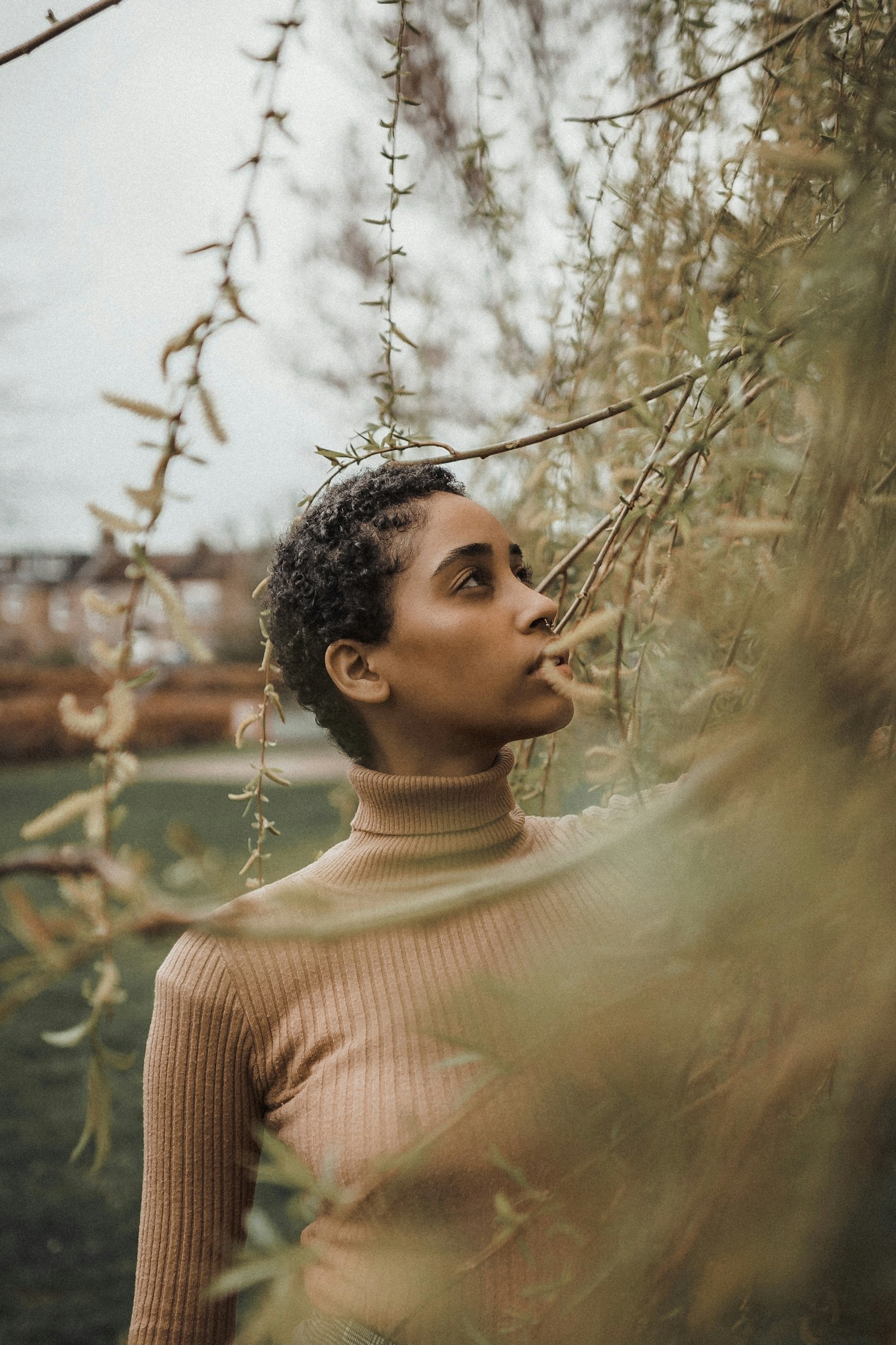
How to tell if you have tawny skin
Tawny skin sits between light tan and deep brown, and it is the undertone, not the depth, that matters most. Four quick checks:
- Veins: on the inside of your wrist they look greenish or olive rather than blue or purple.
- Jewelry: gold looks richer on you than silver; silver can look a little flat.
- Sun: you tan easily to a golden or copper brown and rarely burn pink.
- White test: cream or ivory flatters your face; stark optic white makes your skin look slightly yellow or tired.
If two or more of these are true, treat your skin as warm, and the colors below will work. If your results are mixed, you may be neutral, and our skin tone and style guide covers that case.
Tawny vs olive, caramel and tan
| Term | Depth | Undertone | What it looks like |
|---|---|---|---|
| Tawny | Medium to medium-deep | Warm golden or copper | Golden brown with a reddish glow |
| Olive | Light to medium | Neutral-warm with a green cast | Beige or tan with a greenish tint |
| Caramel | Medium | Warm golden | Smooth golden brown, less red than tawny |
| Tan | Light to medium | Usually warm, sometimes neutral | Sun-kissed beige |
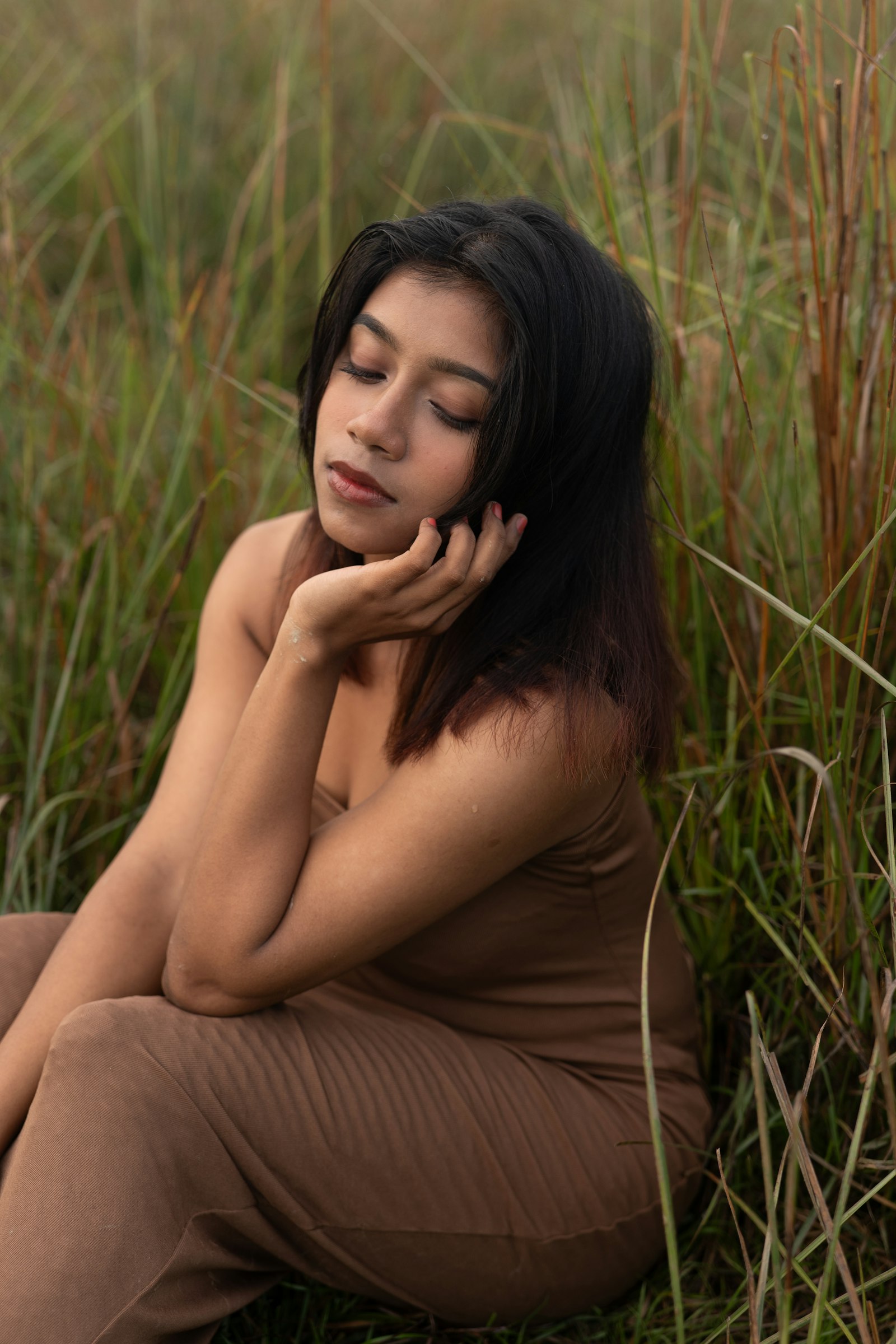
The terms overlap and brands use them loosely; the useful takeaway is that tawny is warm, which is what decides your colors.
The best colors for tawny skin
| Color | Why it works | Easy ways to wear it |
|---|---|---|
| Cream and ivory | A warm white that lights up the face without harshness | Shirts, knits, summer dresses |
| Camel | Echoes the golden undertone | Coats, trousers, bags |
| Olive green | Earthy and warm; one of the most flattering greens | Jackets, pants, dresses |
| Teal | Deep enough to contrast, warm enough to flatter | Blouses, dresses, scarves |
| Coral | Brings out the peach and copper in the skin | Tops, lipstick, summer dresses |
| Mustard | Warm yellow that reads rich, not sallow | Knits, skirts |
| Burnt orange | Tawny skin is one of the few that wears orange effortlessly | Sweaters, fall coats |
| Burgundy | Warm, deep red that adds drama without washing out | Dresses, evening wear |
| Terracotta | Sits right next to the skin tone on the color wheel | Linen sets, accessories |
| Forest green | A deep green for winter and formal looks | Coats, suits |
| Chocolate brown | Works as your “black” near the face | Trousers, boots, blazers |
| Warm red | Tomato and cherry reds rather than blue-based reds | Statement dresses |
| Turquoise | A bright that still has warmth in it | Summer tops, jewelry |
Metals and accessories: gold, bronze and copper. Tortoiseshell sunglasses, cognac leather and woven straw all flatter tawny skin for the same reason: they are warm.
Colors to swap out
These are not forbidden, but they tend to make tawny skin look sallow or gray. Each has an easy substitute.
- Stark white → ivory, cream or oatmeal.
- Icy pastels (baby pink, powder blue, lilac) → peach, coral, aqua or warm turquoise.
- Cool gray → taupe, greige or camel.
- Fuchsia and blue-based pinks → coral, salmon or warm rose.
- Black right next to the face → chocolate, navy or forest green, or keep black and add a warm scarf or gold jewelry near the face.
- Lavender → plum or aubergine, which have more red in them.
The reason is undertone: cool colors push the skin’s golden tone toward yellow-gray. Our guide on why two “same” colors don’t match explains how that works.
5 outfit formulas for tawny skin
- Cream shirt, camel trousers, cognac loafers, gold hoops. The all-warm neutral uniform; works for the office and for travel.
- Olive utility jacket, white-ish ivory tee, dark denim, tan boots. Casual and effortless.
- Teal wrap dress with gold sandals. For dinners and events; teal is the easiest jewel tone on tawny skin.
- Burnt orange sweater, chocolate wide-leg pants, tortoiseshell sunglasses. The fall formula.
- Burgundy slip dress with a camel coat. Evening and winter weddings.
Makeup and hair that match
You do not need a full color analysis to get this right: warm-toned foundations (names like golden, honey, caramel, tawny), bronze or copper eyeshadow, coral or brick lipstick, and warm hair colors (chestnut, caramel highlights, auburn) all follow the same logic as the clothes. Cool, ashy hair colors tend to fight the skin.
Related guides
- The color tawny itself, and how to wear it
- Best colors for every skin tone
- The best colors to wear for your eye color
- How to style olive and beige
FAQ
What color is tawny?
Tawny is a warm orange-brown, somewhere between caramel and copper. On skin, it describes a medium to medium-deep complexion with golden or reddish warmth.
Is tawny skin warm or cool?
Warm. The golden and copper undertones are what define it, which is why warm colors, gold jewelry and earth tones flatter it.
What colors look best on tawny skin?
Cream, camel, olive, teal, coral, mustard, burnt orange, burgundy, terracotta and forest green. Gold and bronze for jewelry.
Does black look good on tawny skin?
It can, especially on deeper tawny skin. If black looks harsh on you, keep it away from the face (trousers, skirts, shoes) and use chocolate, navy or forest green on top instead.
Is tawny the same as olive skin?
No. Olive skin has a green cast and is often neutral; tawny skin is clearly warm with a golden or reddish glow. They can share some colors (olive green, camel), but tawny skin handles orange and coral much better.

The Clothes Color Guide editorial team researches and writes guides on clothing colors: which shades go together, what to wear with each color, and how to build outfits around a palette. Articles are drafted with the help of AI tools and reviewed by a human editor before publishing.
