Key Takeaways
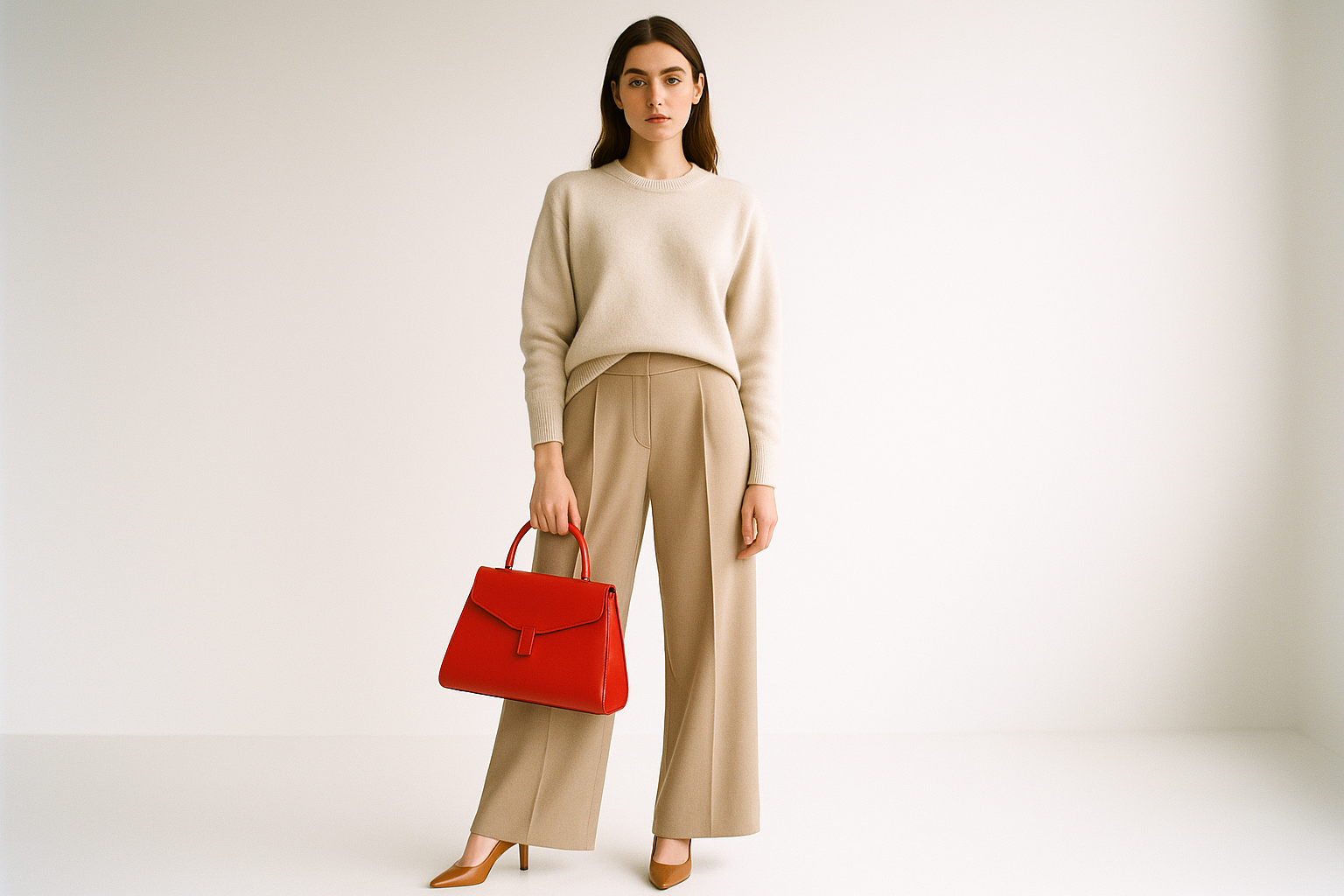
- The one-accessory rule simplifies styling by letting a single colorful piece become the focal point of your outfit
- Neutral base outfits provide the perfect canvas for bold accessory colors to shine
- Statement bags, scarves, jewelry, belts, and shoes work equally well as your chosen color accent
- The rule prevents the common mistake of color overload that makes outfits look chaotic
- Choosing complementary or contrasting colors creates visual interest without clashing
- This approach works for casual, professional, and formal settings with equal effectiveness
- Quality matters more than quantity when your accessory carries the color weight of the outfit
- Mastering this rule builds confidence to eventually experiment with more complex color combinations
Adding color to your wardrobe can feel like navigating a minefield. Too little and you look washed out; too much and you resemble a walking rainbow. The one-accessory rule offers an elegant solution that fashion experts have relied on for decades. By choosing a single colorful accessory to anchor your outfit, you create visual interest without the risk of overwhelming your look. This simple guideline transforms the daunting task of color coordination into a straightforward decision that builds confidence and consistently delivers polished results.
Understanding the Psychology Behind the One-Accessory Rule
The human eye naturally seeks a focal point when viewing any composition, whether it is a painting, a photograph, or an outfit walking down the street. When we scatter color throughout an ensemble, the eye bounces from element to element without finding rest, creating visual confusion and fatigue. The one-accessory rule works because it respects this fundamental principle of visual perception, giving observers exactly what their brains crave: a clear point of interest surrounded by supporting elements.
How Our Brains Process Color in Fashion
Neuroscience research reveals that our brains process color before almost any other visual information. When someone looks at your outfit, their brain registers the colors present within milliseconds, long before they notice the cut of your jacket or the fabric of your blouse. This rapid color assessment triggers emotional responses and forms immediate impressions. A single, well-chosen colorful accessory creates what psychologists call a “positive interrupt”—a pleasant surprise that draws attention in a flattering way.
Multiple competing colors, on the other hand, can create cognitive overload. The brain struggles to categorize and respond to the visual information, often defaulting to negative assessments simply because the processing feels difficult. This explains why people frequently describe overly colorful outfits as “loud” or “busy”—these words reflect the mental strain of processing too much chromatic information at once. The one-accessory approach sidesteps this problem entirely by giving the brain exactly one color story to process and appreciate.
The Confidence Connection
Wearing color affects not only how others perceive us but also how we perceive ourselves. Studies in a field called “enclothed cognition” demonstrate that our clothing choices influence our psychological states and cognitive processes. When you nail an outfit by following the one-accessory rule, you walk taller and feel more assured because you have eliminated the nagging doubt about whether your colors work together. This confidence becomes self-reinforcing, creating a positive feedback loop.
Many people avoid color entirely because past attempts at colorful dressing resulted in awkward outfits or unwanted comments. The one-accessory rule provides a safe framework for re-introducing color into your wardrobe. Success with this approach builds the confidence necessary to eventually explore more adventurous color combinations. Think of it as training wheels for color—eventually you will not need them, but they make the learning process far less intimidating.
Cultural Perceptions of Restraint
Across many cultures, restraint in dress signals sophistication and good taste. This does not mean that bold color is inappropriate—quite the opposite. A single, deliberately chosen splash of color demonstrates that you understand the power of chromatic impact and have the discipline to wield it effectively. It communicates intentionality, suggesting that every element of your outfit was considered and chosen for a reason.
Fashion historians note that this principle of calculated restraint has appeared throughout history, from the single jewel worn against dark velvet in Renaissance portraits to the pop of a red sole on an otherwise neutral Louboutin heel. The one-accessory rule connects you to a long tradition of elegant dressing that transcends trends and fads. It is not about playing it safe; it is about playing it smart.
Building Your Neutral Foundation
The one-accessory rule works best when your base outfit provides a calm backdrop for your colorful statement piece. This does not mean you must dress exclusively in black, white, and gray—though those certainly work. Neutral foundations include a much broader palette of subdued tones that let your chosen accessory truly shine while still expressing your personal style.
Beyond Black and White
While classic black and white provide foolproof neutral bases, limiting yourself to these extremes misses opportunities for nuance and personal expression. Navy, camel, olive, burgundy, and slate all function as sophisticated neutrals that add visual interest without competing with your colorful accessory. These colors have enough depth to stand on their own while remaining recessive enough to let your accent piece take center stage.
Consider your skin tone when selecting your neutral base. Warm skin tones often glow against camel, chocolate brown, and warm grays, while cool skin tones typically look striking in navy, charcoal, and pure white. Getting your neutral palette right ensures that both you and your colorful accessory look their best. A well-chosen neutral base flatters your complexion while creating the perfect canvas for color experimentation.
Texture and Pattern in Neutral Dressing
A neutral outfit need not be boring. When you remove color as a variable, texture and pattern become your tools for creating visual interest in your base layers. A chunky knit sweater in cream, a herringbone blazer in gray, or linen trousers in oatmeal all add dimension without introducing competing colors. These textural elements make your neutral foundation feel deliberate rather than default.
Subtle patterns like pinstripes, windowpane checks, or tone-on-tone prints can also elevate a neutral base while maintaining its supportive role. The key is ensuring that any pattern remains clearly secondary to your colorful accessory. When in doubt, keep patterns small in scale and low in contrast. Your pattern should whisper while your accessory shouts—well, speaks confidently, at least.
Monochromatic Bases for Maximum Impact
For the boldest impact, consider dressing in a single neutral from head to toe. An all-black outfit makes a red bag absolutely pop. An entirely cream ensemble turns a turquoise necklace into wearable art. This monochromatic approach creates the cleanest possible backdrop, ensuring that every eye in the room goes exactly where you want it to go: your carefully chosen colorful accessory.
Monochromatic dressing also has the practical advantage of making getting dressed easier. When everything in your outfit is the same color family, there is no question about whether pieces work together. This simplification of the decision-making process frees up mental energy for the one choice that matters: which colorful accessory will make today is outfit special. It is streamlined style that delivers maximum results with minimum effort.
Choosing Your Statement Accessory Type
Any accessory can serve as your one colorful piece, but different types create different effects and suit different occasions. Understanding the unique characteristics of each accessory category helps you make choices that align with your personal style and the demands of each situation. The right accessory type can enhance your best features, complement your body proportions, and communicate exactly the message you want to send.
Consider also the practical aspects of each accessory type. Some people naturally gesture with their hands, making bracelets an ideal choice for drawing attention. Others prefer accessories that stay put and require no adjustment throughout the day. Your lifestyle, comfort level, and daily activities should all factor into which accessory type becomes your go-to color vehicle.
- Statement handbags serve as portable art that travels with you throughout the day
- Scarves offer versatility in how they can be worn and styled
- Bold earrings frame the face and draw attention upward
- Statement necklaces create a focal point at the neckline
- Colorful belts define the waist and add color at the center of the body
- Bright shoes ground the outfit and draw the eye downward
- Hats make a statement from across a room and suit confident personalities
- Watches combine function with colorful style for everyday wear
- Sunglasses add seasonal color while protecting your eyes
- Brooches offer vintage charm and precise placement options
- Hair accessories work especially well for those who wear their hair up or back
- Colorful socks provide a subtle surprise visible only at certain moments
- Gloves offer seasonal color opportunities during colder months
The Art of Accessory Placement
Where you place your colorful accessory matters as much as which accessory you choose. Strategic placement directs attention to your best features and creates balanced proportions in your overall look. Understanding these placement principles elevates your one-accessory styling from good to exceptional.
The concept of visual weight plays a crucial role in accessory placement. Color has weight—bold, saturated colors feel heavier than pastels or neutrals. Placing this visual weight in different locations creates different effects on how your proportions appear. Generally, you want to place your colorful accessory at or near the area you want to emphasize or at a point that creates balanced visual interest.
Consider also the architecture of your specific outfit when deciding placement. A v-neck top creates a natural arrow pointing downward to a colorful belt. A boat neck draws a horizontal line that pairs beautifully with statement earrings at either end. Working with the lines already present in your clothing creates a cohesive composition where your colorful accessory feels inevitable rather than arbitrary.
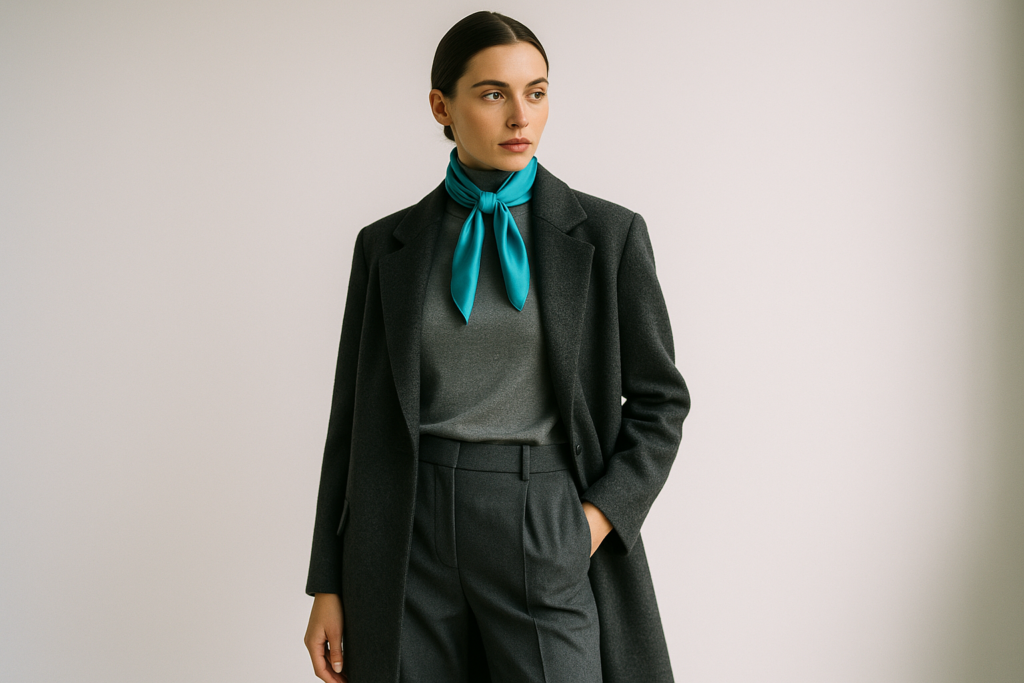
Face-framing placements—earrings, scarves worn at the neck, statement eyewear—ensure that attention travels toward your face during conversation. This makes these accessories particularly effective in professional or social situations where making a personal connection matters. People naturally look at faces when communicating, and colorful accessories in this zone enhance that natural tendency.
Lower-body placements like colorful shoes or patterned hosiery create visual interest that reveals itself as you move. These options work well for those who prefer a more subtle statement or who want their color moment to be a pleasant surprise rather than an immediate announcement. The flash of a red heel as you walk away leaves a lasting impression.
Center-body placements like belts, brooches on a jacket, or statement handbags held at waist level create symmetrical balance. This centered approach feels grounded and stable, projecting confidence without demanding attention. It is a particularly effective strategy for professional settings where you want to be remembered but not for being flashy.
Asymmetrical placements—a single statement earring, a scarf draped over one shoulder, a brooch positioned off-center—create dynamic visual interest that feels modern and editorial. This approach requires more confidence to pull off but rewards the wearer with a fashion-forward look that demonstrates sophisticated style awareness.
Finally, consider how your placement choice interacts with your body movements throughout the day. Accessories that swing, dangle, or catch the light when you move add kinetic energy to your look. A pair of statement earrings that catches the light when you turn your head creates moments of brilliance that static accessories cannot match. Choose placements that work with how you naturally move through the world.
Color Selection Strategies for Your Statement Piece
With endless color options available, choosing the right hue for your statement accessory can feel overwhelming. However, several reliable strategies simplify this decision and ensure that your chosen color works harmoniously with your neutral base, your skin tone, and the mood you want to project.
Complementary Color Approaches
The color wheel remains your most reliable guide for choosing accessory colors that create visual impact. Colors positioned opposite each other on the wheel—like orange and blue, red and green, or purple and yellow—create maximum contrast and energy. These complementary pairings make your accessory truly pop against your neutral base, especially if your neutrals lean toward one side of the spectrum.
For example, a warm neutral base in camel or tan has underlying orange and yellow tones. Introducing a blue or teal accessory creates a complementary relationship that feels vibrant and intentional. Similarly, a cool gray base benefits from the warmth of coral or rust-colored accessories. Understanding these relationships transforms color selection from guesswork into a deliberate design choice.
Seasonal Color Considerations
While personal style should always take precedence, seasonal context can inform your accessory color choices. Spring invites pastels and fresh greens that echo the natural world coming back to life. Summer embraces bright, saturated colors that hold their own against strong sunlight. Autumn calls for warm, earthy tones and rich jewel colors, while winter welcomes both icy pastels and deep, dramatic hues.
These seasonal associations are suggestions, not rules. A pop of sunny yellow in the depths of winter can lift your spirits and brighten gray days. A deep burgundy accessory in midsummer creates sophisticated contrast against light, breezy outfits. Use seasonal expectations as a starting point, then feel free to subvert them when the mood strikes.
Working with Your Personal Coloring
The most flattering accessory colors often relate to your personal coloring—your skin tone, hair color, and eye color. Cool-toned individuals typically shine in blue-based colors like fuchsia, emerald, royal blue, and purple. Warm-toned individuals often look their best in yellow-based colors like coral, orange, olive, and warm red. Neutral individuals have the flexibility to wear colors from either family successfully.
That said, the one-accessory rule gives you permission to experiment beyond your usual comfort zone. Because your colorful piece exists against a neutral backdrop, even colors outside your ideal palette can work beautifully. The key is ensuring that the color does not sit directly next to your face if it is particularly unflattering to your skin tone. A pair of emerald shoes looks stunning on anyone, regardless of their personal coloring.
Common Mistakes and How to Avoid Them
Even with a simple rule to follow, pitfalls exist that can undermine your colorful accessory’s impact. Recognizing these common mistakes helps you sidestep them and ensures that your one-accessory approach delivers consistent results every time you get dressed.
The most frequent error is what stylists call “accidental matching.” When your colorful accessory accidentally echoes a color already present in your supposedly neutral outfit—perhaps a navy thread in a gray tweed or a warm undertone in an ivory blouse—the effect becomes muddy rather than crisp. Always assess your base outfit carefully to ensure it truly functions as a neutral canvas before adding your colorful piece.
- Choosing accessories too small to make an impact defeats the purpose of the rule
- Selecting muted or dusty colors when the goal is to create a focal point
- Forgetting that prints containing multiple colors count as multiple colors
- Matching your accessory exactly to your makeup, which looks overly coordinated
- Choosing colors that clash with your skin tone when worn near the face
- Letting metallic hardware colors compete with your colorful accessory
- Wearing multiple accessories in the same color, which multiplies the focal points
- Selecting colors that blend into your neutral base rather than contrasting with it
- Ignoring the occasion and choosing colors that feel inappropriate for the setting
- Overthinking the choice and ending up with no color at all out of fear
- Forgetting that visible linings, soles, or interior details can introduce extra colors
- Changing your mind halfway through the day and adding a second colorful piece
Adapting the Rule for Different Settings
The one-accessory rule adapts beautifully to virtually any setting, but the specific choices you make should shift based on context. What works for a creative office differs from what suits a formal event or a casual weekend outing. Understanding how to calibrate your colorful accessory to different environments ensures you always strike the right note.
Professional Environments
In traditional professional settings, the one-accessory rule shines as a strategy for expressing personality within appropriate bounds. A structured handbag in a rich color, a silk scarf with a bold print, or a pair of statement earrings can transform a basic suit into something memorable without crossing any lines. The key is choosing accessories with refined finishes and classic shapes that communicate professionalism alongside creativity.
Consider also the culture of your specific workplace. Some industries embrace bold self-expression more than others. In conservative fields like law or finance, a deep burgundy or forest green makes a statement while remaining clearly professional. In creative fields, you have more latitude to play with unexpected colors and unconventional accessory choices. Let the environment guide how loudly your accessory speaks.
Formal Events
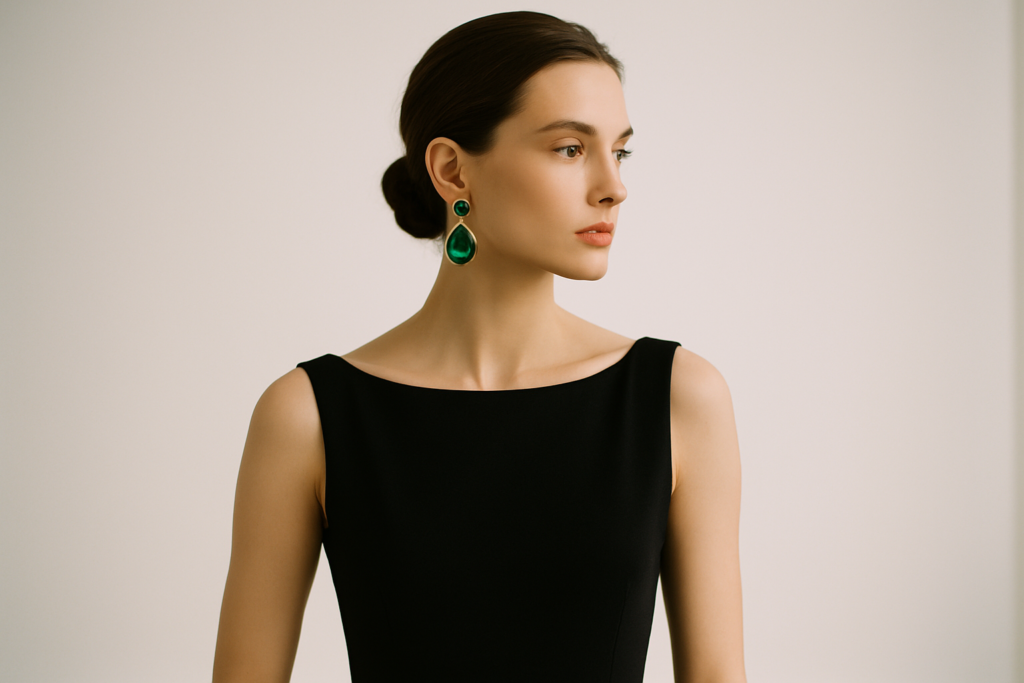
Black-tie and formal occasions often already involve dressing in neutrals—the classic black gown or midnight navy suit—making them ideal canvases for statement accessories. A cascade of emerald earrings, a clutch in electric blue, or a pair of ruby-red heels can elevate formal attire from standard to stunning. The formality of the occasion actually gives you permission to go bolder with your accessory choice.
For formal events, quality matters especially. Your one colorful piece should look and feel luxurious, whether it actually carries a designer price tag or simply appears to. This is the time to bring out your best statement jewelry, your most beautiful evening bag, or those special-occasion shoes that rarely leave the closet. The investment in a few high-quality colorful accessories pays dividends at formal events throughout the years.
Casual and Weekend Looks
Weekend dressing offers the most freedom for experimenting with the one-accessory rule. A pair of bright sneakers, a colorful crossbody bag, fun sunglasses, or a playful hat can transform basic jeans and a white tee into a complete outfit with personality. Casual settings invite more adventurous color choices and less serious accessory styles.
The relaxed nature of casual dressing also makes it the perfect laboratory for testing new colors and accessory types before incorporating them into more high-stakes outfits. Try that orange belt or those pink earrings on a Saturday errand run. See how you feel wearing them, how they photograph, and how people respond. Use weekends to expand your comfort zone so you can bring new options into your regular rotation.
Building an Accessory Wardrobe for Versatility
Strategic investment in colorful accessories creates a toolkit that serves you across countless outfits and occasions. Rather than accumulating random pieces, building an intentional accessory wardrobe ensures you always have options that work with your existing clothing and lifestyle needs.
The Core Collection
Start with colorful accessories in versatile, universally flattering colors that work across seasons and occasions. A true red, a rich cobalt blue, and a classic emerald green form a foundation that handles most situations. These colors photograph well, complement most skin tones, and read as intentional and confident rather than trendy or quirky.
Within your core collection, aim for variety in accessory types. Perhaps a red handbag, blue earrings, and a green scarf. This variety ensures you have options for different outfit structures and occasions. Over time, you can expand this core with additional colors and accessory types, but starting with a tight, versatile collection prevents the common trap of accumulating pieces you rarely wear.
Seasonal and Trend Pieces
Beyond your core collection, leave room for seasonal pieces and trend-driven accessories that keep your look current without requiring constant wardrobe overhauls. These are the places to take more risks with color—a Pantone Color of the Year bag, an unexpectedly trendy earring style in the season’s hot shade, or a playful accessory that captures a passing mood.
Because trendy accessories have shorter lifespans in your wardrobe, it makes sense to invest less in them financially while still choosing pieces with sufficient quality to look good during their tenure. The joy of a trend-forward colorful accessory lies in its novelty; when that novelty fades, you should feel comfortable letting the piece go without regret over the investment.
Storage and Organization
The best accessory collection serves you only if you can actually find and use the pieces within it. Organizing your colorful accessories so they remain visible and accessible encourages you to actually wear them. When your red bag hides in a dust bag at the back of a closet, it cannot perform its job of transforming your neutral outfits.
Consider storing accessories by color rather than by type. This organization method makes it easy to grab exactly the right pop of color to complement whatever neutral outfit you have planned. Open shelving, clear containers, or dedicated drawer organizers that keep accessories visible all support the goal of regular use. An accessory you cannot see is an accessory you will not wear.
Making Metallics Work Within the Rule
Metallics occupy a unique position in the one-accessory framework. Gold, silver, rose gold, and bronze can function as neutrals or as statement colors depending on how boldly they are applied. Understanding when metallics count as your one colorful accessory and when they fade into the neutral background helps you use them strategically.
Small metallic details—a belt buckle, jewelry hardware, button details—typically function as part of your neutral base rather than as your statement piece. They add polish and shine without demanding primary attention. However, a large metallic handbag, bold metallic shoes, or substantial metallic jewelry can absolutely serve as your one colorful accessory, creating glamorous impact that differs in character from chromatic colors but achieves similar focal-point effects.
- Warm metallics like gold and bronze pair beautifully with warm-toned neutrals
- Cool metallics like silver and pewter complement cool neutral bases
- Rose gold bridges warm and cool, working with most neutral palettes
- Mirror-finish metallics make the strongest statement and definitely count as color
- Brushed or matte metallics read more subtly and can function as neutrals
- Mixing metal tones is acceptable when metallics serve as background elements
- Metallic accessories photograph beautifully, catching and reflecting light
- Evening occasions particularly welcome metallic as the one colorful element
- Holographic and iridescent finishes definitely count as colorful statements
- Copper tones work especially well against black and white neutral bases
- Antique metallic finishes add vintage character while maintaining statement status
- Metallic hardware on bags and shoes should match or at least not clash
Transitioning Beyond the Rule
The one-accessory rule serves as an excellent foundation for color confidence, but it need not be your permanent practice. As you become comfortable with single-accessory styling, you may feel ready to experiment with more complex color combinations. The skills you develop through the one-accessory approach translate directly into more advanced color styling.
Adding a Second Color Element
The natural next step involves introducing a second colorful element that relates harmoniously to your first. This might mean choosing shoes and a bag in the same color family, or pairing complementary colors like orange and blue across two different accessories. The key is ensuring the two colors work together intentionally rather than competing for attention.
When adding a second color, consider the visual weight of each piece. Two equally bold accessories can overwhelm; one larger statement piece paired with one smaller accent often works better. A statement necklace in coral might pair with coral-tinted lipstick, or bold green earrings might echo a subtle green thread in your otherwise neutral scarf. The relationship between the colors matters more than the colors themselves.
Incorporating Colorful Clothing
Eventually, you may want to move color from your accessories into your actual clothing. The principles remain the same: start with a strong foundation and add color intentionally. A colorful blouse worn with neutral bottoms and neutral accessories functions similarly to the one-accessory approach, just with the color in a different location.
As you become more confident, experiment with colorful clothing as your statement piece while keeping accessories neutral. A fuchsia dress with nude heels and simple gold jewelry. Cobalt trousers with a cream blouse and tan accessories. These outfits apply the same focal-point thinking you developed through accessory-focused styling, just with a different tool carrying the color.
Knowing When to Return to Basics
Even as you expand your color repertoire, the one-accessory rule remains a reliable fallback for uncertain days. When you are not sure what to wear, when time is short, or when the occasion calls for understated polish, returning to a neutral base plus one colorful accessory never fails. It is a formula that works when nothing else seems to, a dependable friend in your style toolkit.
Many sophisticated dressers cycle between more complex color play and simpler one-accessory outfits depending on their mood, energy, and context. This flexibility represents true color mastery—not a rigid adherence to any single approach, but an understanding of various tools and when to deploy them. The one-accessory rule gives you that foundation upon which everything else builds.
Real-World Applications and Examples
Theory becomes most useful when translated into practical application. Seeing how the one-accessory rule plays out across different outfit scenarios helps cement understanding and sparks ideas for your own wardrobe. These examples demonstrate the versatility and reliability of this styling approach.
Consider the classic business casual scenario: navy trousers, a white button-down shirt, and tan loafers. This foundation is polished but unremarkable. Add a structured handbag in poppy red, and suddenly the outfit has personality and presence. The red reads as confident and energetic without being inappropriate for professional settings. The same foundation with an emerald crossbody creates an entirely different impression—equally polished but with a more artistic, nature-connected vibe.
A weekend brunch outfit might start with black skinny jeans and a gray cashmere sweater. Simple, comfortable, perhaps verging on boring. A pair of leopard-print loafers might seem like a pattern rather than a color, but the warm tones of leopard function as a single color statement against the cool neutrals of the base outfit. The result feels effortlessly chic and pulled-together despite its simplicity.
For an evening event, imagine a floor-length black dress—the ultimate neutral canvas. Statement earrings in electric blue sapphire create drama at the face level, catching light with every movement. The earrings become the memorable detail of the entire look, the thing people compliment, the element that makes a basic black dress feel special. No other color appears; none needs to.
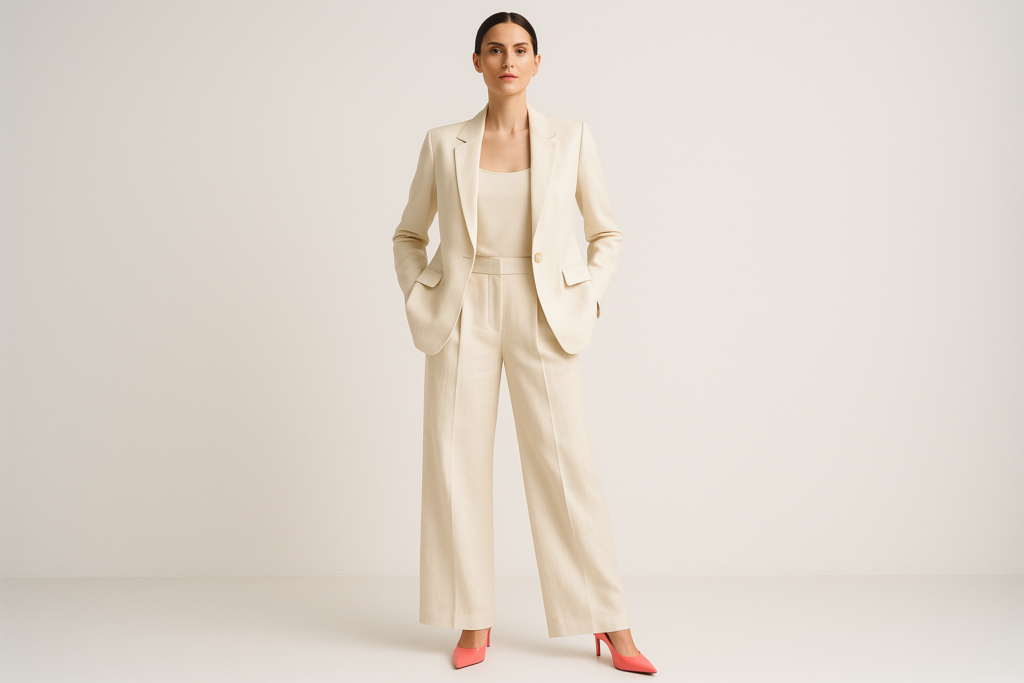
A summer casual outfit could consist of white linen pants and a beige tank top. Adding bright orange sandals brings the entire look to life, channeling Mediterranean vacation energy and making even the most basic separates feel like a considered outfit. The same base with turquoise sandals creates entirely different associations—coastal, fresh, cool. The one-accessory choice functions like a mood dial for the entire ensemble.
The airport outfit, that eternal challenge, benefits enormously from the one-accessory rule. Comfortable neutrals in soft fabrics allow easy movement and temperature adjustment, while a colorful scarf serves both functional purposes (blanket, pillow, modesty cover for sleeping) and style purposes (focal point, personal expression). Easy to remove and adjust as needed, the scarf makes travel style look intentional rather than resigned.
Summary Table
| Accessory Type | Best Placement | Ideal Settings |
|---|---|---|
| Statement Earrings | Face-framing, visible with any neckline | Professional, social, formal events |
| Bold Handbag | Center-body, carried at hip or shoulder | Professional, casual, everyday |
| Colorful Scarf | Neck, shoulders, or hair | Professional, travel, variable weather |
| Statement Belt | Waist-defining, center of body | Professional, casual, defines silhouette |
| Bright Shoes | Lower body, visible when walking | Casual, creative professional, evening |
| Bold Necklace | Neckline, frames face and décolletage | Social, evening, creative professional |
| Statement Hat | Head, visible from distance | Casual, outdoor events, fashion-forward |
| Colorful Watch | Wrist, visible during gestures | Professional, casual, everyday |
Conclusion
The one-accessory rule transforms the intimidating challenge of adding color to your wardrobe into a simple, reliable formula. By building outfits around a neutral foundation and allowing a single colorful accessory to serve as the focal point, you create polished, intentional looks without the risk of color overload. This approach builds confidence over time, teaching you the principles of color impact that eventually enable more complex styling choices.
Whether you are just beginning to explore color in your wardrobe or looking for a dependable framework for busy morning decisions, the one-accessory rule delivers consistent results across every setting and occasion. Start with a small collection of colorful accessories in versatile shades, practice matching them to your neutral bases, and watch as your personal style becomes more expressive and confident. Color is a powerful tool, and now you know exactly how to wield it.
Frequently Asked Questions
Does the one-accessory rule mean I can only wear one accessory total?
No, the rule focuses on color, not quantity. You can wear multiple accessories as long as only one carries a bold color. Neutral accessories like simple gold jewelry, a black belt, or nude shoes can accompany your colorful statement piece without breaking the rule.
What if my colorful accessory has multiple colors in it?
Multi-colored accessories can work within the rule if one color clearly dominates or if the colors are closely related. A floral scarf with various shades of pink, for example, reads as one pink statement. However, an accessory with equal amounts of contrasting colors essentially brings multiple focal points and may create visual confusion.
How do I know if a color counts as neutral or as my statement color?
Consider whether the color actively draws the eye or recedes into the background. Classic neutrals like black, white, gray, navy, and brown clearly function as bases. More saturated or unusual colors typically register as statements. When uncertain, if you are noticing the color, it is probably a statement.
Can I wear the same colorful accessory every day?
Absolutely. Many stylish people develop signature accessories that become part of their personal brand. Wearing the same red watch or green earrings regularly creates recognition and makes getting dressed simpler. Just ensure the quality and style of your everyday piece can withstand frequent use.
Is the one-accessory rule appropriate for men as well as women?
The principle applies universally regardless of gender. Men might apply it through colorful ties, pocket squares, watches, socks, or bags. The framework of a neutral base with one color focal point works for any wardrobe, though the specific accessory options may vary by personal style and dress codes.
What is the best colorful accessory for someone just starting out?
A structured handbag in a true red offers the most versatility for beginners. Red complements most neutral bases, the bag format suits casual through professional occasions, and the style commands attention without requiring any adjustment throughout the day. It is a low-risk entry point that delivers reliable results.
How do I apply this rule when my workplace has a uniform?
Uniforms provide the ultimate neutral base. Focus on the accessories you are permitted to personalize—earrings, watches, hair accessories, or the bag you carry to work. Even with strict dress codes, small colorful accessories within regulations can express personality and apply the one-accessory principle.
Should my colorful accessory match my makeup or nail polish?
Exact matching can look overly coordinated and dated. A subtle relationship—like coral lipstick with orange earrings—feels modern, while perfectly matching can read as trying too hard. Either keep makeup neutral to let your accessory truly star, or choose makeup in a complementary rather than identical shade.

Anna West, the visionary behind Clothes Color Guide, is our go-to for all things fashion. Merging the finest of runway trends with everyday style, she demystifies the world of color and pattern. While clothing is her mainstay, Anna also shares insights on interior design, pet care, and relationship advice. Dive into her articles and emerge with a vibrant perspective on style and life.
Reviewed By: Joanna Perez and Marcella Raskin
Edited By: Lenny Terra
Fact Checked By: Sam Goldman
Photos Taken or Curated By: Matthew Mansour
